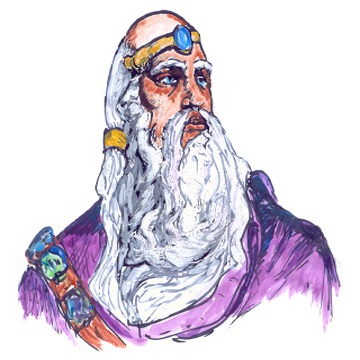
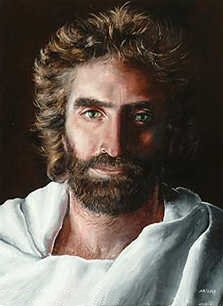
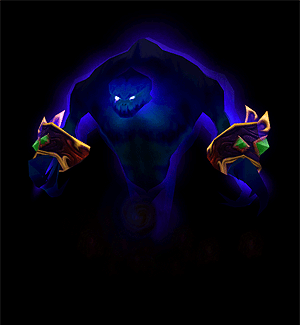
Interestingly enough, I'm running a Star Wars SAGA game set in the Old Republic.
I'm just listing one of the NPCs here, nothing big. His picture is from Star Wars: the Old Republic.
---------------
SETH JURAN CR 10
male human Jedi 7/Jedi Knight 3
Force: 5
Initiative: +12, Senses: Perception +12
Languages: Basic, High Galactic, Huttese (Understand only)
---------------------
Defenses Ref 23 (flatfooted 21), Fort 20, Will 24
hp 120; Threshold 25
---------------------------
Speed: 6 sq (30 ft.)
Melee: +12 Lightsaber (2d8+6)
Melee: +11 Lightsaber (2d8+6) with rapid strike
Ranged: By weapon
Base Attack: +10, Grapple: +12
Attack Options: Acrobatic Strike, Rapid Strike, Running Attack
Force Powers Known (Use the Force +18): Battle Strike, Farseeing, Force Disarm, Force Light, Makashi Reposte, Mind Trick, Pass the Blade, Pushing Slash, Rising Whirlwind, Saber Swarm
Force Techniques: Force Point Recovery
--------------------
Abilities: Str 12, Con 11, Dex 14, Int 15, Wis 18, Cha 16
Talents: Adept Negotiator, Ataru, Force Intuition, Jar-Kai, Lightsaber Defense, Severing Strike, Weapon Specialization (Lightsabers)
Feats: Acrobatic Strike, Force Sensitive, Force Training (2), Force Regimen Mastery, Rapid Strike, Running Attack, Skill Focus (Use the Force), Weapon Finesse, Weapon Focus (Lightsabers), Weapon Proficiency (Lightsabers, simple weapons).
Force Regimens: Awaken Force Sensitivity, Eyes of the Force, Quiet the Mind, Telekinetic Practice
Skills: Acrobatics +12, Initiative +12, Mechanics +12, Perception +14, Pilot +12, Use the Force +18
Possessions: Lightsaber (self built), Jedi Robes, Defender class Corvette (light freighter size).
Showing posts with label roleplaying games. Show all posts
Monday, February 27, 2012
Thursday, January 5, 2012
Stargate SG-1 RPG
I just read the Stargate SG-1 RPG. So many possibilities in one little RPG. A far reaching Stargate network -- and hundreds of d20 and Pathfinder campaigns connected by that Stargate Network. So many possibilities.
At the end of the book is a list of possible Crossovers:
Dragonstar, Mindshadows, Nyambe, and Seven Seas were all suggested as possible crossovers. In fact, Dragonstar could be a replacement for the Goa'uld and the Ori. In fact, the game suggests crossovers. So, my mind went a thousand miles an hour and put together the following possibilities.
The Dragon Empire -- after the Goa'uld and the Ori were defeated, the Dragon Empire becomes the new problem. With Quesamet and Asamet -- the Tau'ri have to deal with dragons in the Milky Way Galaxy and the Sagittarius Dwarf Elliptical Galaxy that has been intersecting with the Milky Way. The dragons are like the Goa'uld -- they become masters of all they see.
The two empires have been competing and now the Dragon Empire is expanding. Can the Tau'ri stop their expanse?
Forgotten Realms and Hârn: Both Faerun and Harn were linked to Earth. Instead of what the writers intended, I would use Stargates to link both Harn and Shavarash (Faerun) to Earth. The Stargate would be in an Earthmaster (Ancient) site on Harn (Melderyn) and on the Forgotten Realms, the Stargate is located on the Chessenta and Unther border.
The Goa'uld used the Stargate to seed Faerun with Orcs and Elves along with humans from Earth. Supreme System Lord Ra was defeated by the Goa'uld System Lord Gruumsh once, but Gruumsh was defeated by the Goa'uld System Lord Correllon Larethan. The Goa'uld are also the Imaskari, with most of the Imaskari fighting chaste being Jaffa.
Eberron: Eberron has a STARGATE! Built there by the Ancients, the Goa'uld seeded Eberron with humans from Earth -- taken from Troy or Greece. The Stargate is located in Sarlona, specifically somewhere in Riedra.
Yrth: The planet of GURPS: Banestorm has a stargate. The stargate is located in the island nations.
Plus, hundreds of other possibilities! You can do anything with a Stargate campaign. The possibilities are endless!
At the end of the book is a list of possible Crossovers:
Dragonstar, Mindshadows, Nyambe, and Seven Seas were all suggested as possible crossovers. In fact, Dragonstar could be a replacement for the Goa'uld and the Ori. In fact, the game suggests crossovers. So, my mind went a thousand miles an hour and put together the following possibilities.
The Dragon Empire -- after the Goa'uld and the Ori were defeated, the Dragon Empire becomes the new problem. With Quesamet and Asamet -- the Tau'ri have to deal with dragons in the Milky Way Galaxy and the Sagittarius Dwarf Elliptical Galaxy that has been intersecting with the Milky Way. The dragons are like the Goa'uld -- they become masters of all they see.
The two empires have been competing and now the Dragon Empire is expanding. Can the Tau'ri stop their expanse?
Forgotten Realms and Hârn: Both Faerun and Harn were linked to Earth. Instead of what the writers intended, I would use Stargates to link both Harn and Shavarash (Faerun) to Earth. The Stargate would be in an Earthmaster (Ancient) site on Harn (Melderyn) and on the Forgotten Realms, the Stargate is located on the Chessenta and Unther border.
The Goa'uld used the Stargate to seed Faerun with Orcs and Elves along with humans from Earth. Supreme System Lord Ra was defeated by the Goa'uld System Lord Gruumsh once, but Gruumsh was defeated by the Goa'uld System Lord Correllon Larethan. The Goa'uld are also the Imaskari, with most of the Imaskari fighting chaste being Jaffa.
Eberron: Eberron has a STARGATE! Built there by the Ancients, the Goa'uld seeded Eberron with humans from Earth -- taken from Troy or Greece. The Stargate is located in Sarlona, specifically somewhere in Riedra.
Yrth: The planet of GURPS: Banestorm has a stargate. The stargate is located in the island nations.
Plus, hundreds of other possibilities! You can do anything with a Stargate campaign. The possibilities are endless!
Labels:
roleplaying games,
Science Fiction,
Stargate SG-1
Wednesday, September 21, 2011
Atlantean Technology, Continued
Atlantean Sonic Pistol: A sonic pistol or gun has several frequencies that can be used for defensive or offensive applications on the battlefield. The pistol itself consists of a handheld speaker that is 6 in. by 6 in. It is constructed around a miniature ZPE converter for power. The pistol itself consists of a handheld speaker that is 6 in. by 6 in. A device constructed around the converter allows the user to adjust the frequency. The sonic waves can be concentrated to be comparable to a Glock 17 9mm autoloader pistol. The spell, Protection from Energy and the like can provide protection from the sonic pistol.
Knockdown Frequency
The sonic pistol delivers an attack that is comparable to the Improved Bull Rush feat on a successful attack. Range increment: 30 ft.
Stun Frquency
The Sonic Pistol can be calibrated to deliver an attack that stuns your opponent for 1d6 rounds on a successful attack roll. Range increment: 30 ft.
Suggestion Frequency
The sonic pistol can be technologically built to deliver a powerful suggestion per the spell or telepathic power suggestion (links to the spell). The suggestion is transmitted directly and only to the person hearing it, and has a DC equal to 19. Since it's technological and not magical, spell resistance is ignored. Range Increment: 90 ft.
Hurting Frequency
Damage: 2d6
Critical: 20
Type: Energy (sonic)
Range Increment: 30 ft.
Size:Small
Purchase DC: 18
Notes: Protection from Energy offers a bonus of +4 AC vs. the Sonic Pistol for 10 minutes.
------------------
Atlantean Sonic Cannon
A larger version of the Atlantean Sonic pistol is the Sonic Cannon. It is placed in and on a car, van, or a truck the size of a Hummer 2. The sonic cannon consists of larger speakers that deliver powerful sonic waves that can be dangerous to buildings. Although not a weapon of mass destruction like a biological weapon, a chemical weapon, or a nuclear weapon; the Atlantean Sonic Cannon is a sonic application of cannon technology. It has two frequencies: Suggestion and Destroying.
Mass Suggestion Frequency
The Sonic Cannon can be surreptitiously used to implant a suggestion in a large number of people as per the spell or telepathic power Mass Suggestion (links to the spell). This effect ignores spell resistance and has a Save DC equal to 26. Range increment: 300 ft.
Destroying Frequency
The Sonic Waves can be concentrated into a frequency that will vibrate most constructions apart. The waves will knock down an army of men per the Improved Bull Rush feat.
Damage: 2d6x100
Critical: 20
Type: Energy (sonic)
Range Increment: 300 ft.
Size: Gargantuan
Purchase DC: 35
---------------------------------
Firearms: Atlantis has a large number of firearms. Rather than make up fire arms with Atlantean names, I suggest that the player pick up a copy of the Weapons Locker for d20 Modern and use the pistols and machine guns in that book for use. If the Weapons Locker is unavailable, then use the Firearms table in the d20 Modern SRD downloadable from Wizards of the Coast.
-------------------------------
Energy Weapons, Other
Other Energy Weapons are not beyond the Atlanteans' capabilities. However, to stay within the realm of our own possibility, you have to assume that only Ion Cannons and Laser Cannons are currently probable. Ion Cannons have been developed by Nikolai Tesla, so they aren't beyond 20th Century technology. Laser cannons, or the Heat Ray, have been in fiction since at least the publication of The War of the Worlds by H.G. Wells.
This is a 'good' use of a 5 million volt electron accelerator.
However, lets go beyond our capability and say that the Atlanteans had at least, energy rifles.
Laser Rifle: A laser rifle is able to fire a beam of light through Light Amplification by Stimulated Emission of Radiation; that causes heat damage comparable to a Browning M2HB. The rifle is fully portable, and contains it's own miniature Orgone Converter. The generator is capable of generating 5 million volts and fires a concentrated beam of light energy. No backpack required. Sound is added for effect (chu! :) ).
Damage: 2d12
Critical: 20
Damage Type: Fire
Range Increment: 110 feet
Rate of Fire: One continuous beam
Power Source: Orgonite Energy Clip
Size: Large
Weight: 12 lbs.
Purchase DC: 22
Ion Rifle: An Ion Rifle fires a concentrated beam of electrons at your enemy (beta radiation). The rifle consists of a miniature particle accelerator, and the high energy electrons causes as much X-Rays and Gamma Rays as a bolt of lightning. The power source uses the same miniature Orgone Converter as the laser rifle. Sound is comparable to a crack of thunder, but not deafening.
Damage: 2d8
Critical: 20
Damage Type: Electricity
Range Increment: 110 feet
Rate of Fire: Single
Power Source: Orgonite Energy Clip
Size: Large
Wieght: 13 lbs.
Purchase DC: 24
Gauss Plasma Rifle: A plasma rifle that is lot a like the Ion Rifle, except its much more unwieldy. It uses magnetism to fire high energy projectiles at your opponent. The Gauss Plasma Rifle is more dangerous than the Plasma Shotgun.
Damage: 2d12
Critical: 20
Damage Type: Ballistic
Range Increment: 220 ft.
Rate of Fire: Single
Magazine: Linked.
Power source: Orgonite Energy Clip
Size: Huge
Weight: 50 lbs.
Purchase DC: 75
Plasma Shotgun: A weapon capable of firing a packet of high energy ions, like the Ion Rifle. It's a Guass Plasma Rifle toned down.
Damage: 2d8
Critical: 20
Damage Type: Fire
Range Increment: 30 ft.
Rate of Fire: Single
Power Source: Orgonite Energy Clip
Size: Large
Weight: 8 lbs.
Purchase DC: 17
---------------------
Vehicles of Peace and Vehicles of War
People laughed at Noah for building a ship that wasn't anywhere near water. So, the Atlanteans had ships to convey themselves across the water. They also had cars, trucks, vans, SUVs, and trains. But none of these depended on the Internal Combustion Engine, while Steam Locomotives would not use coal. All of these would use ZPE or Orgone Energy converters. There were jets too. And this is where we step off the realms of what is Hard Science and go into more realms of Speculative Science.
Conveyances
Atlantean Submarine: The Atlantean Submarine is much like the Los Angeles class submarine (links to naval-technology.com) in the U.S. Navy. It's packing 362 ft. of waterproofed steel, and displaces 6,818 long tons of water when submerged. Atlantean Submarines are self propelled by Orgone converters through independent crystal matrices.
Speed: 20 Knots (23 mph) on the surface, 20 Knots submerged with 33 Knots capable.
Purchase DC: 90
Knockdown Frequency
The sonic pistol delivers an attack that is comparable to the Improved Bull Rush feat on a successful attack. Range increment: 30 ft.
Stun Frquency
The Sonic Pistol can be calibrated to deliver an attack that stuns your opponent for 1d6 rounds on a successful attack roll. Range increment: 30 ft.
Suggestion Frequency
The sonic pistol can be technologically built to deliver a powerful suggestion per the spell or telepathic power suggestion (links to the spell). The suggestion is transmitted directly and only to the person hearing it, and has a DC equal to 19. Since it's technological and not magical, spell resistance is ignored. Range Increment: 90 ft.
Hurting Frequency
Damage: 2d6
Critical: 20
Type: Energy (sonic)
Range Increment: 30 ft.
Size:Small
Purchase DC: 18
Notes: Protection from Energy offers a bonus of +4 AC vs. the Sonic Pistol for 10 minutes.
------------------
Atlantean Sonic Cannon
A larger version of the Atlantean Sonic pistol is the Sonic Cannon. It is placed in and on a car, van, or a truck the size of a Hummer 2. The sonic cannon consists of larger speakers that deliver powerful sonic waves that can be dangerous to buildings. Although not a weapon of mass destruction like a biological weapon, a chemical weapon, or a nuclear weapon; the Atlantean Sonic Cannon is a sonic application of cannon technology. It has two frequencies: Suggestion and Destroying.
Mass Suggestion Frequency
The Sonic Cannon can be surreptitiously used to implant a suggestion in a large number of people as per the spell or telepathic power Mass Suggestion (links to the spell). This effect ignores spell resistance and has a Save DC equal to 26. Range increment: 300 ft.
Destroying Frequency
The Sonic Waves can be concentrated into a frequency that will vibrate most constructions apart. The waves will knock down an army of men per the Improved Bull Rush feat.
Damage: 2d6x100
Critical: 20
Type: Energy (sonic)
Range Increment: 300 ft.
Size: Gargantuan
Purchase DC: 35
---------------------------------
Firearms: Atlantis has a large number of firearms. Rather than make up fire arms with Atlantean names, I suggest that the player pick up a copy of the Weapons Locker for d20 Modern and use the pistols and machine guns in that book for use. If the Weapons Locker is unavailable, then use the Firearms table in the d20 Modern SRD downloadable from Wizards of the Coast.
-------------------------------
Energy Weapons, Other
Other Energy Weapons are not beyond the Atlanteans' capabilities. However, to stay within the realm of our own possibility, you have to assume that only Ion Cannons and Laser Cannons are currently probable. Ion Cannons have been developed by Nikolai Tesla, so they aren't beyond 20th Century technology. Laser cannons, or the Heat Ray, have been in fiction since at least the publication of The War of the Worlds by H.G. Wells.
This is a 'good' use of a 5 million volt electron accelerator.
However, lets go beyond our capability and say that the Atlanteans had at least, energy rifles.
Laser Rifle: A laser rifle is able to fire a beam of light through Light Amplification by Stimulated Emission of Radiation; that causes heat damage comparable to a Browning M2HB. The rifle is fully portable, and contains it's own miniature Orgone Converter. The generator is capable of generating 5 million volts and fires a concentrated beam of light energy. No backpack required. Sound is added for effect (chu! :) ).
Damage: 2d12
Critical: 20
Damage Type: Fire
Range Increment: 110 feet
Rate of Fire: One continuous beam
Power Source: Orgonite Energy Clip
Size: Large
Weight: 12 lbs.
Purchase DC: 22
Ion Rifle: An Ion Rifle fires a concentrated beam of electrons at your enemy (beta radiation). The rifle consists of a miniature particle accelerator, and the high energy electrons causes as much X-Rays and Gamma Rays as a bolt of lightning. The power source uses the same miniature Orgone Converter as the laser rifle. Sound is comparable to a crack of thunder, but not deafening.
Damage: 2d8
Critical: 20
Damage Type: Electricity
Range Increment: 110 feet
Rate of Fire: Single
Power Source: Orgonite Energy Clip
Size: Large
Wieght: 13 lbs.
Purchase DC: 24
Gauss Plasma Rifle: A plasma rifle that is lot a like the Ion Rifle, except its much more unwieldy. It uses magnetism to fire high energy projectiles at your opponent. The Gauss Plasma Rifle is more dangerous than the Plasma Shotgun.
Damage: 2d12
Critical: 20
Damage Type: Ballistic
Range Increment: 220 ft.
Rate of Fire: Single
Magazine: Linked.
Power source: Orgonite Energy Clip
Size: Huge
Weight: 50 lbs.
Purchase DC: 75
Plasma Shotgun: A weapon capable of firing a packet of high energy ions, like the Ion Rifle. It's a Guass Plasma Rifle toned down.
Damage: 2d8
Critical: 20
Damage Type: Fire
Range Increment: 30 ft.
Rate of Fire: Single
Power Source: Orgonite Energy Clip
Size: Large
Weight: 8 lbs.
Purchase DC: 17
---------------------
Vehicles of Peace and Vehicles of War
People laughed at Noah for building a ship that wasn't anywhere near water. So, the Atlanteans had ships to convey themselves across the water. They also had cars, trucks, vans, SUVs, and trains. But none of these depended on the Internal Combustion Engine, while Steam Locomotives would not use coal. All of these would use ZPE or Orgone Energy converters. There were jets too. And this is where we step off the realms of what is Hard Science and go into more realms of Speculative Science.
Conveyances
Atlantean Submarine: The Atlantean Submarine is much like the Los Angeles class submarine (links to naval-technology.com) in the U.S. Navy. It's packing 362 ft. of waterproofed steel, and displaces 6,818 long tons of water when submerged. Atlantean Submarines are self propelled by Orgone converters through independent crystal matrices.
Speed: 20 Knots (23 mph) on the surface, 20 Knots submerged with 33 Knots capable.
Purchase DC: 90
Labels:
Atlantis,
Fantasy Roleplaying,
Pathfinder,
roleplaying games
Atlantean Technology
In my Atlantis Roleplaying Game, in which the adventurers go out and adventure in the Age of Leo, you'll come across tech that is not beyond our current possibilities. And some tech that is beyond our current possibilities (or too expensive to really develop). Atlantean technology depends on converting Zero Point Energy, or Orgone Energy --- the energy that is currently around us -- into electrical energy.
Although Stargate: Atlantis shows Atlanteans taking advantage of whole sub-universes in a Zero Point Module it is perfectly within 20th Century technology to make electricity from the air. This documentary tells how scientists: one within my own hometown. Thomas Henry Moray, of Salt Lake City, had managed to harness Zero Point Energy.
Atlantis used technology that is still within our ability to create. They tapped Zero Point Energy -- sometimes called Vril Energy, or Orgone Energy. Energy at the Zero Point is all around us. There is enough energy in your room to power your city for a while. And it never runs out. While Thomas Henry Moray figured out ways to tap ZPE directly, Doctor Whilem Riche created Orgone Accumulators made of organic and metallic materials that were alternated. These would accumulate and concentrate ZPE which could be used to accelerate healing and give a sense of well being. With this in mind, lets venture into Atlantean Technology.
--------------------------------
Power Production
The Atlanteans of the Age of Leo were able to tap into Free Energy. It is unknown whether they used petroleum products first or they just went after Zero Point Energy without tapping petroleum from the Earth; but they were able to use free Energy. They did it with Lemurian Seed Crystals -- or Quartz Crystals that are at least the size of your forearm; using Tesla Coils and probably a manmade substance called Orgonite; since Thomas Moray's technology hasn't been properly explained as the man was hounded when he developed his technology for the rest of his adult life.
The Crystal was set in a base of orgonite, and the Tesla coil was wrapped around it. The ZPE would accumulate around the crystal and cause it to resonate. Electrons would accumulate around the coil according to a particular resonance, say 432 hertz or 528 hertz, and transmit as electricity (yes, this sounds far fetched, but it's not impossible to test this claim). The generators were housed in pyramids, and power was transmitted through the air in order to power the area equal to 5 U.S. States. And you don't have to be hooked up to the power grid, a small generator could be used to power your home.
In fact, smaller crystals arranged in certain patterns could become computers, or if it is cheaper to create an integrated circuit, Atlanteans could create integrated circuitry and create computers that are not unlike the computer used to type up this Blog. Did the Atlanteans have movies and television? It's quite possible they did and they used them for both good and evil. Did they have radio? It's quite possible they did since Radio uses electrical patterns at radio frequencies to transmit information. Did the Atlanteans have an internet? If they had computers, they most certainly did have an internet. Unfortunately, there is no evidence that they had such devices. Although if the Atlantean Civilization had technology comparable to ours it is not beyond the realm of possibility that they would have movies, television, radio, and the world's largest copying machine.
----------------------------------
Metallurgy
The Atlanteans relied on a substance called Orichalcum. It's unknown what this substance is, although my Latin dictionary reports that its brass. Orichalcum is a metal that is not on the periodic table of Elements. Brass is an alloy of copper and zinc, and in the right proportions could theoretically become the red metal that is orichalcum. However, Plato could be wrong since the only real example of red copper is cuprous oxide (link to Chemguide UK).
The only other metal that could be strong enough to work, but isn't red at all, is Titanium. And there is another problem. Out of Place Artifacts from the era are made of alloys of the strangest combinations but there has been no examples of prehistoric brass that fit Plato's description. Probably there are properties of brass that we clearly don't know other than it's uses for decoration. Perhaps brass was used for orgonite, although makers of orgonite today prefer copper and steel.
Although Stargate: Atlantis shows Atlanteans taking advantage of whole sub-universes in a Zero Point Module it is perfectly within 20th Century technology to make electricity from the air. This documentary tells how scientists: one within my own hometown. Thomas Henry Moray, of Salt Lake City, had managed to harness Zero Point Energy.
Atlantis used technology that is still within our ability to create. They tapped Zero Point Energy -- sometimes called Vril Energy, or Orgone Energy. Energy at the Zero Point is all around us. There is enough energy in your room to power your city for a while. And it never runs out. While Thomas Henry Moray figured out ways to tap ZPE directly, Doctor Whilem Riche created Orgone Accumulators made of organic and metallic materials that were alternated. These would accumulate and concentrate ZPE which could be used to accelerate healing and give a sense of well being. With this in mind, lets venture into Atlantean Technology.
--------------------------------
Power Production
The Atlanteans of the Age of Leo were able to tap into Free Energy. It is unknown whether they used petroleum products first or they just went after Zero Point Energy without tapping petroleum from the Earth; but they were able to use free Energy. They did it with Lemurian Seed Crystals -- or Quartz Crystals that are at least the size of your forearm; using Tesla Coils and probably a manmade substance called Orgonite; since Thomas Moray's technology hasn't been properly explained as the man was hounded when he developed his technology for the rest of his adult life.
The Crystal was set in a base of orgonite, and the Tesla coil was wrapped around it. The ZPE would accumulate around the crystal and cause it to resonate. Electrons would accumulate around the coil according to a particular resonance, say 432 hertz or 528 hertz, and transmit as electricity (yes, this sounds far fetched, but it's not impossible to test this claim). The generators were housed in pyramids, and power was transmitted through the air in order to power the area equal to 5 U.S. States. And you don't have to be hooked up to the power grid, a small generator could be used to power your home.
In fact, smaller crystals arranged in certain patterns could become computers, or if it is cheaper to create an integrated circuit, Atlanteans could create integrated circuitry and create computers that are not unlike the computer used to type up this Blog. Did the Atlanteans have movies and television? It's quite possible they did and they used them for both good and evil. Did they have radio? It's quite possible they did since Radio uses electrical patterns at radio frequencies to transmit information. Did the Atlanteans have an internet? If they had computers, they most certainly did have an internet. Unfortunately, there is no evidence that they had such devices. Although if the Atlantean Civilization had technology comparable to ours it is not beyond the realm of possibility that they would have movies, television, radio, and the world's largest copying machine.
----------------------------------
Metallurgy
| By Anita Martinz from Klagenfurt, Austria, via Wikimedia Commons |
The Atlanteans relied on a substance called Orichalcum. It's unknown what this substance is, although my Latin dictionary reports that its brass. Orichalcum is a metal that is not on the periodic table of Elements. Brass is an alloy of copper and zinc, and in the right proportions could theoretically become the red metal that is orichalcum. However, Plato could be wrong since the only real example of red copper is cuprous oxide (link to Chemguide UK).
The only other metal that could be strong enough to work, but isn't red at all, is Titanium. And there is another problem. Out of Place Artifacts from the era are made of alloys of the strangest combinations but there has been no examples of prehistoric brass that fit Plato's description. Probably there are properties of brass that we clearly don't know other than it's uses for decoration. Perhaps brass was used for orgonite, although makers of orgonite today prefer copper and steel.
---------------------------------
Weapons
It is all possible that Atlanteans used stainless steel and titanium steel to make their weapons of war. Out of Place Artifacts show that the Atlanteans did have knowledge of these metals and could smelt them and work them. But if their technology was comparable to ours, they would have sonic energy weapons as hand held lasers and particle beams are so far out of our range (but not impossible).
A weapon that could concentrate and deliver a high energy sonic pulse is not out of range of our technology as long as the generator could be portable and there was a range of frequencies one can choose. A laser rifle cannot be hand held nor can a particle beam rifle could be hand held. These were used on vehicle mounts.
While swords were certainly used, a sonic hand-held pistol can concentrate enough force to knock a man down or cause internal damage within the body depending on the resonate frequency
Sonic Pistol
Labels:
Atlantis,
Fantasy Roleplaying,
roleplaying games
Thursday, September 8, 2011
My Rifts Campaign
Alright. I don't claim that I wrote Rifts, I couldn't write it the way that Kevin has even if I tried. He put everything in it, including the Kitchen Sink. So, if I ran around saying that I wrote it, everyone would know that I didn't and I'd look like a fool.
But then I think Siembieda is a fool anyhow for instituting a fanwork ban and a ban on Rules Conversions. He lives on a planet with an Internet. He lives on a planet with a copy machine so efficient and so undiscriminating that his attempts at preventing everyone from using his world their way makes him look foolish anyhow. But who's counting? Putting a trademark on everything in the book is really stupid anyhow since Copyright Law does not cover rules on how to play a game. (Sorry, Kevin. But at least you wised up and release PDFs when WotC went DUMB!)
And creates a good case to get rid of Trademark Law. It's an abuse of the Trademark Law to trademark everything in your game system. Duh! Thus here is my version of Rifts.
Too play in my version of Rifts you will need:
* One Copy of Rifts
* One copy of Rifts World Book 2: Atlantis
* One copy of Macross II: The Roleplaying Game
* One copy of Rifts World Book 14: New West
* One copy of Rifts World Book 3: England
* One Copy of the Macross II Sourcebook with the VF-XX on the cover.
* One copy of Robotech II: The Sentinels RPG
Okay, I think that's everything you'll need. Since in the Shadow Chronicles, the REF goes out to find Rick Hunter to bring back the SDF-3, you can expect the SDF-3 returning to the world of Robotech Earth. Doesn't mean that some of the Izacuchi space carriers defolded outside Rifts Earth. Along with their counterparts in the Macross world.
Players would be members of the REF or the UN Spacy, which merged together as one organization at the Time of Rifts Earth. They built a new Moon Base which to stage patrols around Earth Space. The REF and U.N. Spacey will establish bases on the Earth as well to face the new threat -- Atlantis. There are four major bases in North America and one major base in what is now Argentina. Yes, Mutants in Space is totally ignored and Earth Space is defended by the U.N. Spacey and the REF.

The four bases are located in --
* The Adirondack Mountains. This is a U.N. Spacy Base. Here, U.N. Spacy Mecha are manufactured at a secret location. The base is actually located around Hurricane Mountain. Mecha produced is the Variable Fighter VF-2JA Atmospheric Fighter and the Valkyrie II VF-2SS Standard Space Fighter.
* The Uinta Mountains in Utah. The U.N. Spacy took over the old Flaming Gorge Dam and got it operating again. The base is located outside Vernal, Utah in Dinosaur Country. Here, in a secret factory, REF Mecha (the Alpha and Beta Fighters -- VAF 6C, VAF 6J, and VAF 6R, along with cyclones) are mass produced and tested over the Salt Lake Desert and the Salt Lake City Radiation Zone.
Salt Lake City suffered two earthquakes within fifteen days of each other before the time of Chaos Earth. After two megaton bombs fell on the city, wiping out millions, a third Earthquake happened and covered the valley with water from underground. The People of the Desert don't exist in this campaign. The REF found the old Dugway Proving Grounds -- used by the USAF for testing production jet fighters -- perfect for testing production Alpha and Beta fighters.
The U.N. Spacy only has a presence in Vernal and Park City. Beyond this, the code of the New West reigns. However, the U.N. Spacy has been working to unite the State. But the State, let alone the region, has been hard to bring law and order to.
* Anchorage, Alaska Base. Anchorage Alaska was destroyed during the nuclear exchange. 300 years later, the U.N. Spacy has taken the city and built a base here. Here, the Metal Siren Valkyrie, the VF-XX Zentran Space Fighter, and the Mechanized Robot Infantry (i.e. Destroids) are mass produced. The better looking part of the base is used as an embassy to deal with Lemuria and Agartha.
* Prince Edward Island base. The U.N. Spacy has set up a Deployment Base here against Atlantis. Here, the U.N. Spacy deploys against Atlantis in order to defeat Atlantis. In order to be more effective, the U.N. Spacy built two Aircraft Carriers designed after the new U.S. Navy Aircraft Carriers dubbed the UNS Enterprise and the UNS Intrepid. Wierdly, the USS Ticonderoga leaves the Enterprise and the Intrepid alone.
* North Argentine Base. The U.N. Spacy has set up another base for Staging Operations against Atlantis. This is the second base where the Enterprise and the Intrepid go to refuel and for repairs.
------------------------------------------------------------------------------------------
Player Character Guidelines of the Rifts Earth U.N. Spacy:
Allowed Races
The U.N. Spacy recruits only those races who want to defend the Earth and are able to pilot U.N. Spacy mecha. The races include:
Human -- see Rifts.
Zentraedi (Zentran and Meltran) Macross II RPG
from Conversion book 1
* Canine: Wolfen
* Elves
* Orcs (especially of the World of Warcraft variety)
* Faerie Folk: Most Faeries are very angry with the Spluggorth (spluggies) taking their people and enslaving them for PPE batteries. Faerie Folk who work for the REF tend to be --
** Common Faeries
** Green Wood Faeries
** Night-elf Faerie
** Silver Bells Faeries
They make for great reconnaissance for the UN Spacy, and are typically equipped with miniature radios. An UN Spacy/REF Faerie that signs up are used for reconnaissance and espionage.
* True Atlantean
Allowed OCCs
Variable Fighter Pilot (Macross II RPG page 96)
REF Military Specialist (Invid Invasion and Robotech II: Sentinels RPG)
REF Biomechanical Engineer
UN Spacy Communications Engineer
REF Cyclone Rider (Infantry)
REF Destroid Pilot
UN Spacy Field Scientist
Ley Line Walker
Shifter
Mystic
Technowizard
Psychics
Nega-Psychic
Psychic Warrior
OCCS from Atlantis
* Rogue T-Men
But then I think Siembieda is a fool anyhow for instituting a fanwork ban and a ban on Rules Conversions. He lives on a planet with an Internet. He lives on a planet with a copy machine so efficient and so undiscriminating that his attempts at preventing everyone from using his world their way makes him look foolish anyhow. But who's counting? Putting a trademark on everything in the book is really stupid anyhow since Copyright Law does not cover rules on how to play a game. (Sorry, Kevin. But at least you wised up and release PDFs when WotC went DUMB!)
And creates a good case to get rid of Trademark Law. It's an abuse of the Trademark Law to trademark everything in your game system. Duh! Thus here is my version of Rifts.
Too play in my version of Rifts you will need:
* One Copy of Rifts
* One copy of Rifts World Book 2: Atlantis
* One copy of Macross II: The Roleplaying Game
* One copy of Rifts World Book 14: New West
* One copy of Rifts World Book 3: England
* One Copy of the Macross II Sourcebook with the VF-XX on the cover.
* One copy of Robotech II: The Sentinels RPG
Okay, I think that's everything you'll need. Since in the Shadow Chronicles, the REF goes out to find Rick Hunter to bring back the SDF-3, you can expect the SDF-3 returning to the world of Robotech Earth. Doesn't mean that some of the Izacuchi space carriers defolded outside Rifts Earth. Along with their counterparts in the Macross world.
Players would be members of the REF or the UN Spacy, which merged together as one organization at the Time of Rifts Earth. They built a new Moon Base which to stage patrols around Earth Space. The REF and U.N. Spacey will establish bases on the Earth as well to face the new threat -- Atlantis. There are four major bases in North America and one major base in what is now Argentina. Yes, Mutants in Space is totally ignored and Earth Space is defended by the U.N. Spacey and the REF.

The four bases are located in --
* The Adirondack Mountains. This is a U.N. Spacy Base. Here, U.N. Spacy Mecha are manufactured at a secret location. The base is actually located around Hurricane Mountain. Mecha produced is the Variable Fighter VF-2JA Atmospheric Fighter and the Valkyrie II VF-2SS Standard Space Fighter.
* The Uinta Mountains in Utah. The U.N. Spacy took over the old Flaming Gorge Dam and got it operating again. The base is located outside Vernal, Utah in Dinosaur Country. Here, in a secret factory, REF Mecha (the Alpha and Beta Fighters -- VAF 6C, VAF 6J, and VAF 6R, along with cyclones) are mass produced and tested over the Salt Lake Desert and the Salt Lake City Radiation Zone.
Salt Lake City suffered two earthquakes within fifteen days of each other before the time of Chaos Earth. After two megaton bombs fell on the city, wiping out millions, a third Earthquake happened and covered the valley with water from underground. The People of the Desert don't exist in this campaign. The REF found the old Dugway Proving Grounds -- used by the USAF for testing production jet fighters -- perfect for testing production Alpha and Beta fighters.
The U.N. Spacy only has a presence in Vernal and Park City. Beyond this, the code of the New West reigns. However, the U.N. Spacy has been working to unite the State. But the State, let alone the region, has been hard to bring law and order to.
* Anchorage, Alaska Base. Anchorage Alaska was destroyed during the nuclear exchange. 300 years later, the U.N. Spacy has taken the city and built a base here. Here, the Metal Siren Valkyrie, the VF-XX Zentran Space Fighter, and the Mechanized Robot Infantry (i.e. Destroids) are mass produced. The better looking part of the base is used as an embassy to deal with Lemuria and Agartha.
* Prince Edward Island base. The U.N. Spacy has set up a Deployment Base here against Atlantis. Here, the U.N. Spacy deploys against Atlantis in order to defeat Atlantis. In order to be more effective, the U.N. Spacy built two Aircraft Carriers designed after the new U.S. Navy Aircraft Carriers dubbed the UNS Enterprise and the UNS Intrepid. Wierdly, the USS Ticonderoga leaves the Enterprise and the Intrepid alone.
* North Argentine Base. The U.N. Spacy has set up another base for Staging Operations against Atlantis. This is the second base where the Enterprise and the Intrepid go to refuel and for repairs.
------------------------------------------------------------------------------------------
Player Character Guidelines of the Rifts Earth U.N. Spacy:
Allowed Races
The U.N. Spacy recruits only those races who want to defend the Earth and are able to pilot U.N. Spacy mecha. The races include:
Human -- see Rifts.
Zentraedi (Zentran and Meltran) Macross II RPG
from Conversion book 1
* Canine: Wolfen
* Elves
* Orcs (especially of the World of Warcraft variety)
* Faerie Folk: Most Faeries are very angry with the Spluggorth (spluggies) taking their people and enslaving them for PPE batteries. Faerie Folk who work for the REF tend to be --
** Common Faeries
** Green Wood Faeries
** Night-elf Faerie
** Silver Bells Faeries
They make for great reconnaissance for the UN Spacy, and are typically equipped with miniature radios. An UN Spacy/REF Faerie that signs up are used for reconnaissance and espionage.
* True Atlantean
Allowed OCCs
Variable Fighter Pilot (Macross II RPG page 96)
REF Military Specialist (Invid Invasion and Robotech II: Sentinels RPG)
REF Biomechanical Engineer
UN Spacy Communications Engineer
REF Cyclone Rider (Infantry)
REF Destroid Pilot
UN Spacy Field Scientist
Ley Line Walker
Shifter
Mystic
Technowizard
Psychics
Nega-Psychic
Psychic Warrior
OCCS from Atlantis
* Rogue T-Men
Labels:
Macross,
Rifts,
roleplaying games
Tuesday, September 6, 2011
Technological Revolutions of the Age of Leo
Although I discuss the technology of the Stone Age, there are a couple of technologies from that time that are worth noting. Especially the Agricultural and Domestication revolutions, and the wheel!
Domestication -- was it God or was it You-Know-What?
Scientists say that the Agricultural Revolution occured in the Middle East and then spread to Europe. The problems with wild cereals and our domestic cereals are often brought up in Television programs about that time in History. Most notably, Stories from the Stone Age. How did we get from wild cereals to domesticated wheat and barley?
Simply, we are the victims of a shell game if we are led to believe that humans did a process of selection with the gardens and wheat fields they planted and we somehow got domesticated varieties from their wild predecessors. What is worse that corn, or maize, ancestral plant has never been located. And maize depends entirely on humans in order to grow. This is a scientific fact. Every botantist knows that maize is a cultigen -- a domesticated species entirely dependent on humans to grow and flourish.
Our scientists have not been able to find the wild variety of maize. So how can this be if the Agricultural Revolution took place in the Age of Leo? After all, maize is a form of wild grass, much like it's cousins. So there isn't a good reason why it's ancestral wild grass is extinct.
The second hole in the puzzle of plant domestication is that we haven't been able to produce another cereal grain from wild grass in the whole history of the world! Maslin and mullet not withstanding. So, the question is, how did our ancestors perform such a feat? Sources say that Cain was a farmer, but how and where did the first and second generation of Adam's seed ever get these cereal crops and where did they come from if they had no prior experience with genetics? And even if you believe that Adam is a superstitious myth, where did a bunch of Natufians ever get their domestic cereal crops from wild grasses?
You-know-what has to come in the picture somehow. You can't think that the Natufians ever lacked experience in plant breeding. They had to have figured it out. They had to have genetically engineer the grasses if you ignore all the other possibilities. After all, wild wheat and barley have 7 chromosomes, and this increased to 42 in their domestic varieties -- their genetic code increased by a factor of 6! Sugar Cane, another grass, had only 10 chromosomes. But the domesticated variety has it's chromosomal count increased to 80. This is a factor of 8! What is going on here? How did the Natufians ever figure out genetics if they are unsophisticated? It had to be genetic engineering or the other -- who is regarded as superstition by many scientists.
Animal Domestication
How did we get a dog from a wolf? How did we get a dairy cow from a wild aurochs? Why are these two animals bred from aggressive stock -- one still living the other made extinct? After all, a bunch of Natufians are still going to get a wolf if they raise a baby wolf. And the Europeans are still going to get an aurochs if they raise a baby aurochs.
You have to change whole groups of genes to get Canis lupis familaris from Canis lupis. Similarly, you have to do the same to get Bos taurus from Bos primigenius primigenius. So how did they accomplish it? And why are we insulting our intelligence by assuming that the Natufians and the Europeans back in the New Stone Age were a bunch of people that accomplished this by crossbreeding? You-know-what had to have been accomplished by Natufians and Europeans to produce the docile dairy cow and the familiar dog.
The Wheel
I touched on the wheel beforehand. So I said it before, and I'll say it again. The wheel was not invented by the Sumerians! The Wheel came from the Neolithic Age, not the Sumerians. Why? Because there are etheric wheels in cave and primitive art everywhere. We are fools to ignore the fact that ancient human testimony called for a planetary constellation in our Northern Sky. All simple machines are pretty easy to figure out from Earth geography. Except the wheel.
In ancient times, the Age of Leo was known as the First Time by the Egyptians. A time when three planets were in a great constellation in our Northern Sky. The Artists did not get their inspiration of the wheel from the nature all around them. all they had to do was look up. The artisans only had to look up.
In an inspired act of art imitates nature, Artisans made the wheel after looking up and imitating what they saw by carving wood or stone. Disbelievers may scoff and say that humans invented the wheel by saying they saw a bone twirl in the air. This is nonsense, a modern myth inspired by the movie 2001: A Space Odyssey and the same book by Arthur C. Clark. Arthur C. Clark never did see the ancient cave art of the neolithic times, nor did he come to the conclusion that there was three planets in our sky in a great constellation. The Wheel was invented during the Age of Leo and not by the Sumerians (who are the descendants of Elam).
Domestication -- was it God or was it You-Know-What?
Scientists say that the Agricultural Revolution occured in the Middle East and then spread to Europe. The problems with wild cereals and our domestic cereals are often brought up in Television programs about that time in History. Most notably, Stories from the Stone Age. How did we get from wild cereals to domesticated wheat and barley?
| Corn. Where is it's ancestral grass? |
Simply, we are the victims of a shell game if we are led to believe that humans did a process of selection with the gardens and wheat fields they planted and we somehow got domesticated varieties from their wild predecessors. What is worse that corn, or maize, ancestral plant has never been located. And maize depends entirely on humans in order to grow. This is a scientific fact. Every botantist knows that maize is a cultigen -- a domesticated species entirely dependent on humans to grow and flourish.
Our scientists have not been able to find the wild variety of maize. So how can this be if the Agricultural Revolution took place in the Age of Leo? After all, maize is a form of wild grass, much like it's cousins. So there isn't a good reason why it's ancestral wild grass is extinct.
The second hole in the puzzle of plant domestication is that we haven't been able to produce another cereal grain from wild grass in the whole history of the world! Maslin and mullet not withstanding. So, the question is, how did our ancestors perform such a feat? Sources say that Cain was a farmer, but how and where did the first and second generation of Adam's seed ever get these cereal crops and where did they come from if they had no prior experience with genetics? And even if you believe that Adam is a superstitious myth, where did a bunch of Natufians ever get their domestic cereal crops from wild grasses?
You-know-what has to come in the picture somehow. You can't think that the Natufians ever lacked experience in plant breeding. They had to have figured it out. They had to have genetically engineer the grasses if you ignore all the other possibilities. After all, wild wheat and barley have 7 chromosomes, and this increased to 42 in their domestic varieties -- their genetic code increased by a factor of 6! Sugar Cane, another grass, had only 10 chromosomes. But the domesticated variety has it's chromosomal count increased to 80. This is a factor of 8! What is going on here? How did the Natufians ever figure out genetics if they are unsophisticated? It had to be genetic engineering or the other -- who is regarded as superstition by many scientists.
Animal Domestication
| How did we get a dairy cow from this? |
You have to change whole groups of genes to get Canis lupis familaris from Canis lupis. Similarly, you have to do the same to get Bos taurus from Bos primigenius primigenius. So how did they accomplish it? And why are we insulting our intelligence by assuming that the Natufians and the Europeans back in the New Stone Age were a bunch of people that accomplished this by crossbreeding? You-know-what had to have been accomplished by Natufians and Europeans to produce the docile dairy cow and the familiar dog.
The Wheel
I touched on the wheel beforehand. So I said it before, and I'll say it again. The wheel was not invented by the Sumerians! The Wheel came from the Neolithic Age, not the Sumerians. Why? Because there are etheric wheels in cave and primitive art everywhere. We are fools to ignore the fact that ancient human testimony called for a planetary constellation in our Northern Sky. All simple machines are pretty easy to figure out from Earth geography. Except the wheel.
In ancient times, the Age of Leo was known as the First Time by the Egyptians. A time when three planets were in a great constellation in our Northern Sky. The Artists did not get their inspiration of the wheel from the nature all around them. all they had to do was look up. The artisans only had to look up.
In an inspired act of art imitates nature, Artisans made the wheel after looking up and imitating what they saw by carving wood or stone. Disbelievers may scoff and say that humans invented the wheel by saying they saw a bone twirl in the air. This is nonsense, a modern myth inspired by the movie 2001: A Space Odyssey and the same book by Arthur C. Clark. Arthur C. Clark never did see the ancient cave art of the neolithic times, nor did he come to the conclusion that there was three planets in our sky in a great constellation. The Wheel was invented during the Age of Leo and not by the Sumerians (who are the descendants of Elam).
Wednesday, August 31, 2011
Thieves, Soulknives, and Inventors
A continuation of occupational templates for Atlantis.
Mystic (Martial Artist class)
Template cost: 15 points
Stats: Str 15, Dex 13, Con 13, Int 16, Wis 13, Cha 11
Attributes:
Combat Mastery +1, Damn Healthy! +1, Heightened Awareness +1, Highly Skilled +2, Speed +1, Special Attack: Raging Thunder Dragon Fist +1 (1d8 damage; Incapacitating, Extra Energy, Melee)
Choose 2 Defects:
Attack Restriction (Code of Honor) +1, Marked (Tattoos of Dragons around both arms) +3, Nemesis (Mystic from a Rival School) +1, Unique Character Defect (Poverty) +1
Skills:
Acrobatics +5, Climb +6, Craft: Votive Objects +7, Knowledge: Area (Lemuria) +7, Knowledge: Area (Atlantis) +7, Knowledge: Area (Khittan) +7, Knowledge: Religion (Mysticism) +7, Linguistics (World Wide Language) +7, Perception +5, Sense Motive +5, Swim +6, Unarmed Attack +1, Unarmed Defense +1
Feats: Combat Martial Arts, Power Attack
When Cain killed Abel in order to gain what he owned: his flocks and his wife; man's inhumanity to man had showed itself. Since then, man has always worked hard to find ways of killing each other. To our credit, we always worked out ways of defending ourselves from those that would do us harm. During the Age of Leo, this is not even different.
Wandering Mystics from Khittan (China) believe in a circular philosophy. Although they come from a barbarian Kingdom, they may wander to Atlantis or Lemuria or both to teach them the secrets of Mysticism. Some Mystics feel that they have an adventurer's heart and join an adventuring party to see more of the world and to increase their knowledge of cultures outside of Atlantis, Lemuria, or Khittan.
Necromancer (Dynamic Sorcerer class)
Template Cost: 15 Character points
Stats: Str 13, Dex 11, Con 9, Int 15, Wis 14, Cha 17
Attributes:
Aura of Command +1 or Exorcism (Undead) +1, Dynamic Sorcery (Class Feature) +1, Extra Energy +1, Highly Skilled +1, Magical Technique (Magical Blood) +1, Personal Gear +1, Pet Monster (Skeleton) +1
Restriction (Aura of Command to Undead) +2 Choose two Defects:
Easily Distracted (Corpses and Ossuaries) +1, Marked (scars) +1, Not so Strong +1, Not so Tough +1, Physically Unappealing +1, Reoccuring Nightmares +1, Skeleton in the Closet +1
Skills:
Appraise +6, Craft: Likenesses +6, Intimidate +7, Knowledge: Arcane (Spellcraft) +6, Knowledge: Biological Sciences (Human Anatomy) +6, Knowledge: Occult +6, Survival +3, Ranged Attack +1, Ranged Defense +1
Feats: Dazzling Display, Power Attack
Spells (Choose 12 slots of spells from 0 to second level, see Dyamic d20 Magic for DC casting costs), spells can come from these schools and from the Cleric list --
Abjuration, Divination, Conjuration, Necromancy, and Universal
Necromancy, the art of communicating with and summoning the dead, may have had its start in the Middle East. Excavations have found that the Natufian culture had carefully buried their dead within their own homes and removed the skulls sometime afterward. In Leonine Jericho and 'Ain Ghazal, the inhabitants there would plaster the skulls of their dead to create a likeness of the dead person. There was definitely an Ancestor Worship cult in the Middle East. This eventually spread to Europe with the building of Ossuaries, where the dead where kept.
So, Necromancers come from the heathen nations of Europe and the Middle East. While not necessarily evil, his or her grim demeanor often does not win them very many friends. Most would distrust the necromancer, seeing him as "unnatural" or even blasphemous in their dealings with the Spirit World. Nevertheless, necromancers can be quite useful, since they can create armies of minions from dead bodies, as well as gain information by speaking with the spirits of the departed. They will sometimes choose to become adventurers as a way to test their abilities, as well as to acquire powerful Items of Power to aid them in their grim research.
Thief (Adventurer Class)
Template Cost: 5 Character Points
Stats: Str 13, Dex 17, Con 10, Int 15, Wis 13, Cha 12
Attributes:
Art of Distraction +1, Sneak Attack (Special Attack 1d8; Accurate, Concealable, Melee) +1, Heightened Awareness +1, Highly Skilled +2, Organizational Ties (Guild of Thieves) +1, Personal Gear +1
Pick two Defects: Easily Distracted (Wealth) +1, Not so Strong +1, Owned by Organization (Guild of Thieves) +1, Wanted +1
Skills:
Acrobatics +7, Bluff +5, Climb +5, Craft: Traps +6, Disable Device +7, Disguise +5, Escape Artist +7, Knowledge: Area (City of Atlantis) +6, Linguistics (World Wide Language) +6, Sense Motive +5, Swim +5, Melee Attack (Dagger) +1, Melee Defense (Dagger) +1
Feats: Dodge, Power Attack
Since men became sensual and devilish there will be thieves who lie and steal. The thief is a lithe, roguish, and often acrobatic outlaw who lives by his or her wits, charm, and light fingers. Some thieves steal from anyone, while others prefer to rob only wicked folk. They make natural adventurers. Both their skills and their general demeanours are well-suited to a life of dungeon delving. In addition, thieves commonly have a weakness for wealth, which is often found in great abundance in ruins and similar locales, making them ideal places to explore — and loot. Thieves often have a sinister reputation. Even the noblest among them (and there are such unusual individuals) find it hard to convince ordinary people that they use their larcenous abilities only for good ends. Consequently, thieves are often unwelcome in civilized settlements. Agents of the law are never far behind them, making it hard for thieves to put down permanent roots.
Psychic Warrior (Adventurer Class)
Template Cost: 15 Character Points
Stats: Str 15, Dex 11, Con 16, Int 12, Wis 10, Cha 14
Attributes:
Aura of Command +1, Dynamic Sorcery (Psionics Based) +1, Extra Energy +1, Highly Skilled +1, Mind Shield +1, Metapsionics (Heightened Power) +1
Pick two Defects: Girl/Guy Magnet +1, Famous +1, Ism (Psionism) +1, Reoccuring Nightmares +1
Skills:
Autohypnosis +4, Climb +6, Intimidate +6, Knowledge: Arcane (Psionics) +5, Knowledge: Physical Sciences (Quantum Mechanics) +5, Sense Motive +4, Melee Attack (Crystal Sword) +1, Melee Defense (Round Shield) +1, Swim +6
Feats: Power Attack, Focused Sunder
Powers: Choose 3 1st level powers from the Psychic Warrior list in Psionics Unleashed! or the Expanded Psionics Handbook, energy points are analogous to Power Points.
In Atlantis, Psychic Warriors are trained to be shock troops and Marines. In effect, Psychic Warriors are the Atlantean answer to the U.S. Army Rangers and U.S. Navy Seals. They are often sent in when the battle needs winning. Psychic Warriors are trained by both Atlantis and Lemuria to turn the tide of battle for their armies. Psychic Warriors who leave the armies will often become mercenaries or adventurers in their own right. Fighting for whatever cause, or whatever side. Many adventuring Psychic Warriors are soldiers of fortune.
Engineer (Tech Genius Class)
Template Cost: 10 Character Points
Stats: Str 10, Dex 13, Con 12, Int 17, Wis 15, Cha 11
Attributes:
Aura of Command +1, Computer Scanning +1, Highly Skilled +1, Mechanical Genius +1, Personal Gear +1, Wealth +1,
Choose 2 Defects: Achilles Heel (wasp stings) +1, Concentration (Computer Scanning) +1, Nemesis (rival Engineer) +1, Significant Other +2
Skills:
Computer Use +7, Demolitions +7, Disable Device +5, Drive +5, Knowledge: Electronics +7, Knowledge: Physical Sciences (Higher Mathematics) +7, Knowledge: Physical Sciences (Geography) +4, Linguistics (World Wide Language) +7, Profession: Mecha Engineer +6, Sense Motive +3, Research +7
Feats: Endurance, Lightning Reflexes
Whatever they are telling you, they are wrong about Man's ability to create and invent. Mankind has had a big brain for at least 60 thousand years, perhaps more. Atlantean Engineers are every bit as smart, or smarter, than our Engineers. To say that the Stone Age lasted longer and there was a gradual evolution is a terrible conceit. Many artifacts that are out of place (including the World Wide Language itself) attest to man's ingenuity in prehistoric times.
Atlantean Engineers were able to build the Pyramids, carve the first lion statue (the Great Sphinx) and calculate Longitude. They were also able to build Weapons of Abomination (nuclear weapons) and create Nuclear Plants. Also among their accomplishments was domestication: Atlantean Engineers genetically engineered the grasses (rice, wheat, rye, barley) into domesticated forms and create the dog, the feathered Troodon, and the Dairy cow. They were able to perfect the crystal technologies that Atlantis was famous for. Adventuring engineers are tech geniuses: specializing in maintaining mecha, doing surveys for Megalithic building, or doing field experiments. Unfortunately, a fraction of Engineers are Mad Scientists.
Mystic (Martial Artist class)
Template cost: 15 points
Stats: Str 15, Dex 13, Con 13, Int 16, Wis 13, Cha 11
Attributes:
Combat Mastery +1, Damn Healthy! +1, Heightened Awareness +1, Highly Skilled +2, Speed +1, Special Attack: Raging Thunder Dragon Fist +1 (1d8 damage; Incapacitating, Extra Energy, Melee)
Choose 2 Defects:
Attack Restriction (Code of Honor) +1, Marked (Tattoos of Dragons around both arms) +3, Nemesis (Mystic from a Rival School) +1, Unique Character Defect (Poverty) +1
Skills:
Acrobatics +5, Climb +6, Craft: Votive Objects +7, Knowledge: Area (Lemuria) +7, Knowledge: Area (Atlantis) +7, Knowledge: Area (Khittan) +7, Knowledge: Religion (Mysticism) +7, Linguistics (World Wide Language) +7, Perception +5, Sense Motive +5, Swim +6, Unarmed Attack +1, Unarmed Defense +1
Feats: Combat Martial Arts, Power Attack
When Cain killed Abel in order to gain what he owned: his flocks and his wife; man's inhumanity to man had showed itself. Since then, man has always worked hard to find ways of killing each other. To our credit, we always worked out ways of defending ourselves from those that would do us harm. During the Age of Leo, this is not even different.
Wandering Mystics from Khittan (China) believe in a circular philosophy. Although they come from a barbarian Kingdom, they may wander to Atlantis or Lemuria or both to teach them the secrets of Mysticism. Some Mystics feel that they have an adventurer's heart and join an adventuring party to see more of the world and to increase their knowledge of cultures outside of Atlantis, Lemuria, or Khittan.
Necromancer (Dynamic Sorcerer class)
Template Cost: 15 Character points
Stats: Str 13, Dex 11, Con 9, Int 15, Wis 14, Cha 17
Attributes:
Aura of Command +1 or Exorcism (Undead) +1, Dynamic Sorcery (Class Feature) +1, Extra Energy +1, Highly Skilled +1, Magical Technique (Magical Blood) +1, Personal Gear +1, Pet Monster (Skeleton) +1
Restriction (Aura of Command to Undead) +2 Choose two Defects:
Easily Distracted (Corpses and Ossuaries) +1, Marked (scars) +1, Not so Strong +1, Not so Tough +1, Physically Unappealing +1, Reoccuring Nightmares +1, Skeleton in the Closet +1
Skills:
Appraise +6, Craft: Likenesses +6, Intimidate +7, Knowledge: Arcane (Spellcraft) +6, Knowledge: Biological Sciences (Human Anatomy) +6, Knowledge: Occult +6, Survival +3, Ranged Attack +1, Ranged Defense +1
Feats: Dazzling Display, Power Attack
Spells (Choose 12 slots of spells from 0 to second level, see Dyamic d20 Magic for DC casting costs), spells can come from these schools and from the Cleric list --
Abjuration, Divination, Conjuration, Necromancy, and Universal
Necromancy, the art of communicating with and summoning the dead, may have had its start in the Middle East. Excavations have found that the Natufian culture had carefully buried their dead within their own homes and removed the skulls sometime afterward. In Leonine Jericho and 'Ain Ghazal, the inhabitants there would plaster the skulls of their dead to create a likeness of the dead person. There was definitely an Ancestor Worship cult in the Middle East. This eventually spread to Europe with the building of Ossuaries, where the dead where kept.
So, Necromancers come from the heathen nations of Europe and the Middle East. While not necessarily evil, his or her grim demeanor often does not win them very many friends. Most would distrust the necromancer, seeing him as "unnatural" or even blasphemous in their dealings with the Spirit World. Nevertheless, necromancers can be quite useful, since they can create armies of minions from dead bodies, as well as gain information by speaking with the spirits of the departed. They will sometimes choose to become adventurers as a way to test their abilities, as well as to acquire powerful Items of Power to aid them in their grim research.
Thief (Adventurer Class)
Template Cost: 5 Character Points
Stats: Str 13, Dex 17, Con 10, Int 15, Wis 13, Cha 12
Attributes:
Art of Distraction +1, Sneak Attack (Special Attack 1d8; Accurate, Concealable, Melee) +1, Heightened Awareness +1, Highly Skilled +2, Organizational Ties (Guild of Thieves) +1, Personal Gear +1
Pick two Defects: Easily Distracted (Wealth) +1, Not so Strong +1, Owned by Organization (Guild of Thieves) +1, Wanted +1
Skills:
Acrobatics +7, Bluff +5, Climb +5, Craft: Traps +6, Disable Device +7, Disguise +5, Escape Artist +7, Knowledge: Area (City of Atlantis) +6, Linguistics (World Wide Language) +6, Sense Motive +5, Swim +5, Melee Attack (Dagger) +1, Melee Defense (Dagger) +1
Feats: Dodge, Power Attack
Since men became sensual and devilish there will be thieves who lie and steal. The thief is a lithe, roguish, and often acrobatic outlaw who lives by his or her wits, charm, and light fingers. Some thieves steal from anyone, while others prefer to rob only wicked folk. They make natural adventurers. Both their skills and their general demeanours are well-suited to a life of dungeon delving. In addition, thieves commonly have a weakness for wealth, which is often found in great abundance in ruins and similar locales, making them ideal places to explore — and loot. Thieves often have a sinister reputation. Even the noblest among them (and there are such unusual individuals) find it hard to convince ordinary people that they use their larcenous abilities only for good ends. Consequently, thieves are often unwelcome in civilized settlements. Agents of the law are never far behind them, making it hard for thieves to put down permanent roots.
Psychic Warrior (Adventurer Class)
Template Cost: 15 Character Points
Stats: Str 15, Dex 11, Con 16, Int 12, Wis 10, Cha 14
Attributes:
Aura of Command +1, Dynamic Sorcery (Psionics Based) +1, Extra Energy +1, Highly Skilled +1, Mind Shield +1, Metapsionics (Heightened Power) +1
Pick two Defects: Girl/Guy Magnet +1, Famous +1, Ism (Psionism) +1, Reoccuring Nightmares +1
Skills:
Autohypnosis +4, Climb +6, Intimidate +6, Knowledge: Arcane (Psionics) +5, Knowledge: Physical Sciences (Quantum Mechanics) +5, Sense Motive +4, Melee Attack (Crystal Sword) +1, Melee Defense (Round Shield) +1, Swim +6
Feats: Power Attack, Focused Sunder
Powers: Choose 3 1st level powers from the Psychic Warrior list in Psionics Unleashed! or the Expanded Psionics Handbook, energy points are analogous to Power Points.
In Atlantis, Psychic Warriors are trained to be shock troops and Marines. In effect, Psychic Warriors are the Atlantean answer to the U.S. Army Rangers and U.S. Navy Seals. They are often sent in when the battle needs winning. Psychic Warriors are trained by both Atlantis and Lemuria to turn the tide of battle for their armies. Psychic Warriors who leave the armies will often become mercenaries or adventurers in their own right. Fighting for whatever cause, or whatever side. Many adventuring Psychic Warriors are soldiers of fortune.
Engineer (Tech Genius Class)
Template Cost: 10 Character Points
Stats: Str 10, Dex 13, Con 12, Int 17, Wis 15, Cha 11
Attributes:
Aura of Command +1, Computer Scanning +1, Highly Skilled +1, Mechanical Genius +1, Personal Gear +1, Wealth +1,
Choose 2 Defects: Achilles Heel (wasp stings) +1, Concentration (Computer Scanning) +1, Nemesis (rival Engineer) +1, Significant Other +2
Skills:
Computer Use +7, Demolitions +7, Disable Device +5, Drive +5, Knowledge: Electronics +7, Knowledge: Physical Sciences (Higher Mathematics) +7, Knowledge: Physical Sciences (Geography) +4, Linguistics (World Wide Language) +7, Profession: Mecha Engineer +6, Sense Motive +3, Research +7
Feats: Endurance, Lightning Reflexes
Whatever they are telling you, they are wrong about Man's ability to create and invent. Mankind has had a big brain for at least 60 thousand years, perhaps more. Atlantean Engineers are every bit as smart, or smarter, than our Engineers. To say that the Stone Age lasted longer and there was a gradual evolution is a terrible conceit. Many artifacts that are out of place (including the World Wide Language itself) attest to man's ingenuity in prehistoric times.
Atlantean Engineers were able to build the Pyramids, carve the first lion statue (the Great Sphinx) and calculate Longitude. They were also able to build Weapons of Abomination (nuclear weapons) and create Nuclear Plants. Also among their accomplishments was domestication: Atlantean Engineers genetically engineered the grasses (rice, wheat, rye, barley) into domesticated forms and create the dog, the feathered Troodon, and the Dairy cow. They were able to perfect the crystal technologies that Atlantis was famous for. Adventuring engineers are tech geniuses: specializing in maintaining mecha, doing surveys for Megalithic building, or doing field experiments. Unfortunately, a fraction of Engineers are Mad Scientists.
Tuesday, August 30, 2011
Barbarians, Battlemages, and Thieves -- OH MY!
The BESM d20 System is probably a great evolution for the d20 System if the DM knows what to do with it. First of all, people say it's unbalanced. Well, with what it did to the System, yes it's unbalanced. BESM d20 removed some of the restrictions that makes up d20 3rd edition -- by removing class features. Generally, the players make their own class features.
As an example, I'll provide a couple of character types you can create with the system using the Adventurer class and the Dynamic Sorcerer class. Note though, the second class will be using the spells from Advanced d20 Magic. These are really templates. Adventurers have all non-combat skills as class skills. These templates will appear in my Atlantis book.
Barbarian (Adventurer Class)
Template Cost: 5 character points (still attainable at level 1)
Stats: Str 13, Dex 12, Con 15, Int 10, Wis 9, Cha 13
Attributes:
Combat Mastery +2, Damn Healthy +2, Heightened Awareness +1, Highly Skilled +2, Personal Gear +1, Rage (Special Attack: Muscle-Powered, Quake, Uses Energy, Ongoing Limited Use +1)
Pick any 2 Defects: Girl/Guy Magnet +1, Easily Distracted (Wonders of Civilization) +1, Marked (Tribal scars/tattoos) +1, Nemesis (Clan Enemies) +1,
Skills: Melee Attack +2, Melee Defense +2, Acrobatics +5, Intimidate +5, Heal +3, Knowledge (Own Tribe) +4, Perception +3, Swim +5
FEATS (choose any 2): Cleave, Power Attack, Endurance, Improved Initiative
A brave warrior from a more primitive culture, barbarians are reminiscent of Japanese Ainu, Celtic
Gaul, and Norse Viking rolled into one. The barbarian might be a wandering mercenary, or an exile
fleeing a tribal feud or seeking to avenge the destruction of his or her clan by sinister forces now residing in the country. He or she is loyal to friends and deadly to foes, and has no tolerance for cowardice among warriors — an attitude mitigated by a lack of respect for the fortitude of civilised folk.
Tempered by their lives in the unforgiving wastes, barbarians are superior physical specimens,
with exotic looks that attract the opposite sex. Barbarians often have a love-hate relationship with civilized folk, finding them effete but liking some of the benefits like steel swords and hot baths. They tend to be spendthrifts.
Battle Mage (Dynamic Sorcerer Class)
Template Cost: 10 Character Points
Stats: Str 10, Dex 13, Con 13, Int 16, Wis 11, Cha 13
Attributes:
Damn Healthy +1, Dynamic Sorcery (Class Feature) +1, Extra Spells +1, Highly Skilled +1, Item Creation (Scribe Scroll) +1, Magical Technique (Magical Blood) +1, Pet Monster (Familiar) +1
Pick any two defects: Easily Distracted (Magical Items) +1, Magical Restriction (Battle Spells) +1, Nemesis (rival magician) +1, Ism (Magicianism) +1
Skills: Ranged Defense +1, Ranged Attack +1, Appraise +7, Knowledge: Arcane (Spellcraft) +7, Knowledge Military Sciences (Tactics) +7, Knowledge: Occult +7, Swim +1
Feats (choose any 2): Combat Martial Arts, Endurance, Iron Will, Dazzling Display
Spells: Choose spells up to 16 spell slots (1 first level, second level, third level, or 0 level spell is equal to 1 spell slot) from this list (see Advanced d20 Magic for casting DCs):
0 level Battle Mage spells: Resistance, Acid Splash, Detect Magic, Read Magic, Daze, Dancing Lights, Ray of Frost, Disrupt Undead, Jolt, Arcane Mark
1st level Battle Mage spells: Protection from Chaos, Shield, Corrosive Touch, Grease, Icicle Dagger, Mage Armor, Mount, Obscuring Mist, Anticipate Peril, True Strike, Charm Person, Delusional Pride, All Evocation 1st level spells, Color Spray, Shadow Weapon, Cause Fear, Ray of Enfeeblement, Burning Disarm, Feather Fall
2nd level Battle Mage Spells: Protection from Arrows, Acid Arrow, Dust of Twilight, Fog Cloud, Web, Hideous Laughter, Touch of Idiocy, all evocation 2nd level spells, Haunting Mists, Mirror Image, Scare, Eagle's Splendor, Pyrotechnics, Whispering Wind
The battle mage practices elemental magic and, in particular, specializes in offensive spells of lightning, fire, and ice. He or she also knows a few general-purpose spells (mostly learned in his or her apprenticeship). Battle mages usually have a fiery temperament to match their arsenal, and are equally likely to be good, evil, or mercenary in character. Those that do not earn a living as dungeon
adventurers are often found serving warlords, slaying bandits, or ruling the world. They also tend to eat a lot, perhaps to replenish their energy.
Good Clerist (Dynamic Sorcerer Class)
Template Cost: 10 Character Points
Stats: Str 10, Dex 12, Con 10, Int 13, Wis 16, Cha 12
Attributes:
Art of Distraction +1, Divine Relationship +2, Dynamic Sorcery (Class Feature) +1, Highly Skilled +1, Organizational Ties (Church of Osiris) +1, Channel Energy (Positive Energy Special Attack: Burning (Undead), Healing (the Living), Spreading) +1
Attack Restriction +1, Magical Restriction (Works at pleasure of Deity) +1, pick one defect: Easily Distracted (Innocents in Danger) +1, Marked (holy ankh tattooed on forehead) +1, Nemesis (Evil Cultists) +1, Reoccuring Nightmares (tempted by evil) +1
Skills: Knowledge: Appraise +5, Knowledge: Area (Nile Valley) +5, Knowledge: Cultural Arts (Nobility) +5, Knowledge: Religion (Pharonic) +5, Linguistics (World Wide Language) +5, Melee Attack +1, Melee Defense +1
Feats (choose any 2): Combat Martial Arts, Endurance, Iron Will, Dazzling Display
Domains: Good and Nobility
Spells: As the Battle Mage above, but choose 12 spell slots from the Cleric spell list. At least 2 of these have to be related to your God's domains. All DCs are per Advanced d20 Magic.
This occupation describes a priest or priestess whose powers come from a heavenly source, or possibly from benevolent nature spirits. He or she has sworn to help the innocent and fight evil. These characters are especially effective in battling evil spirits, undead, and demons, but otherwise their magic is primarily supportive and protective in nature.
Mystical Maker (Adventurer Class)
Character Points: 10 points.
Stats: Str 12, Dex 13, Con 10, Int 16, Wis 12, Cha 13
Attributes: Divine Relationship +2, Heightened Awareness +1, LRM (Unique Attribute, see below) 4 pts, Mechanical Genius +1, Telekinesis +2, Telepathy +2
LRM 4 pts for simple objects, 8 pts for complex machines: Allows one to "pull" objects from the Ether. Most any object can be "pulled" from the Ether. Money, balls of string, pencils, parts for a vehicle, large quartz crystals, most anything you can imagine. Note, it's also possible to pull complex machines from the ether (i.e. lightsaber, car, etc)., but such an ability requires 8 pts/rank (to overcome any mental or emotional blocks).
Choose 2 Defects: Famous +1, Ism (Makerism) +1, Marked +1, Significant Other +1, Skeleton in the Closet +2
Skills: Ranged Defense +1, Ranged Attack +1, Appraise +7, Knowledge: Arcane (Psionics) +7, Knowledge: Physical Sciences (Quantum Physics) +7, Linguistics (World Wide Language) +7, Swim +1
Feats (choose 2): Combat Martial Arts, Endurance, Iron Will, Dazzling Display
This occupation describes a psion who is capable of making things. His powers come from what he is, an energetic, infinite, vibrational being able to alter the "music" of the universe to his desire. Makers are either famous or reviled, for they reject the Victim Mentality. Most people either don't like it when they are told their belief that they are victims is flawed (which is true) or they embrace the truth that they are also creators of their own lives. Adventuring makers choose adventuring to make their living, while others work to heal the sick and make blind men see.
Mystical Knight (Adventurer Class)
Character Points: 15
Stats: Str 15, Dex 11, Con 12, Int 10, Wis 13, Cha 15
Attributes: Art of Distraction +1 or Aura of Command +3, Combat Mastery +1, Damn Healthy +1, Divine Relationship +1, Organizational Ties (Church of Horus) +1, Highly Skilled +1, Servant (Squire) +1, Transmutation: Knight Power Up +3 (own clothes into Battle Armor with sword, 3 Energy Points)
Ageism +1, Magical Restriction (Must Transform) +1, and any 3 defects: Attack Restriction (Good Alignment) +1, Not So Strong +1, Red Tape (Orders from the priests of Horus or Horus himself) +1, Unskilled +1, Wanted (Forces of Set hunt the character) +1
Skills: Diplomacy +6, Knowledge: Area (Nile Valley) +4, Knowledge: Area (Atlantis) +4, Knowledge: Religion (Pharonic) +4, Melee Combat (Long Sword) +1, Melee Defense (Heater Shield) +1, Profession: peasant +5
FEATS (choose any 2): Cleave, Power Attack, Endurance, Improved Initiative
The Magical Knight is the fantasy equivalent of the magical girl. He or she looks like an ordinary
kid, often only 10-14 years old, but with an appropriate phrase can “power up” into an armoured
warrior with limited magical powers.
The Magical Knight transforms by using the Transmutation magic power to turn their own
clothes and a talisman of some sort into a suit of cheesecake armour (page 27) and finely crafted weapon(usually a longsword). Only after transforming can the Magical Knight use his or her other Magic Powers. The transmuted weapon also serves as a magic power focus for the Special Attack. This type of character usually has either a mystical guardian or talking animal companion as a patron and/or advisor. More often than not, the patron serves to rein in the Magical Knight’s youthful enthusiasm and channel it into more “productive” venues.
Mecha Knight (Mecha Pilot Class)
Template Cost: 10 character points
Stats: Str 11, Dex 17, Con 11, Int 14, Wis 13, Cha 13
Attributes: Combat Mastery +1, Highly Skilled +1, Own a Big Mecha +2, Personal Gear +1
Pick 2 defects: Ageism +1, Conditional Ownership (Atlantean Defense Force or Lemurian Defense Force) +1, Nemesis (Wizard from Mu seeking the secret of Mecha) +1, Owned by a Nation +1, Red Tape (Orders from Superiors) +1, Wanted +1
Skills: Computer Use +6, Driving +6, Knowlege: Mechanics +6, Melee Attack +1, Melee Defense +1, Pilot +6, Ranged Attack (Energy Gun) +1, Ranged Attack (Mini Missiles) +1
Feats (Choose 2): Dodge, Skill Focus: Driving, Power Attack, Transform Mecha
The Technology of Atlantis, Lemuria, and Mu are beyond us. Their computers are an array of psychic or magical crystals, and they power their machines with crystal lattices beside the usual wiring. Atlantis and Lemuria are the only nations in the world that have the capability to produce Mecha = machines that move with the fluidity of a human being; while Mu still uses jets, aircraft carriers, and mostly magic. Atlantean, Lemurian, and Mu technology are highly resistant to EMP blasts from a Nuclear Bomb or some other source.
The Mecha Knight is a specialized warrior (often a young boy or girl) who uses a suit of clockwork or magical armour to overcome his or her own physical shortcomings (or enhance his or her natural abilities, if not a child) to fight against evil. The Knight’s “mecha” may be unique, perhaps the result of a mad wizard’s experiments or a secret project by a kingdom, in which case the character may be in the employ of its inventor, field-testing it as he adventures. Alternatively, he or she may have stolen it from its rightful owner (who may be evil) and is now wanted throughout the land for this crime.
(Mecha can be made with d20 Mecha).
Next: more classes for Atlantis: Fantasy Adventures in the Neolithic Age.
Labels:
Atlantis,
BESM d20,
Pathfinder,
roleplaying games
Friday, August 26, 2011
Atlantis RPG Cover
Mock cover, but a cover nonetheless!
The Atlantis RPG uses the BESM d20 System that has been updated to Pathfinder. Enjoy looking at the cover. :)
Labels:
Atlantis,
BESM d20,
roleplaying games
Thursday, August 18, 2011
ATLANTIS: Adventures in the Stone Age
A good title for an RPG book, don't you think? :)
Whatever the Historians are telling you about the Neolithic Age, don't buy it. Atlantis: Adventures in the Neolithic Age will cover roleplaying in the Romantic Neolithic Age to the Weird Neolithic Age -- the Neolithic Age that the Out of Place Artifacts present.
This will be the coolest Atlantis setting.
Whatever the Historians are telling you about the Neolithic Age, don't buy it. Atlantis: Adventures in the Neolithic Age will cover roleplaying in the Romantic Neolithic Age to the Weird Neolithic Age -- the Neolithic Age that the Out of Place Artifacts present.
This will be the coolest Atlantis setting.
Thursday, August 11, 2011
Phoenicia Player's Guide in Layout! plus FAQ
Yes that's right, the Phoenicia player's guide is now in layout! One of the interesting things about this player's guide is that there isn't going to be an image of the city with it's falls. The problem is: No one in their right mind has built a thriving city around a waterfall yet, especially one as big as a cataract fall complex.
The cataract waterfall is actually inspired by Iguazu Falls in both Argentina and Brazil. Although Mosi-oa-Tunya ("The Smoke that Thunders"), also known as Victoria Falls, is also an inspiration.
Why would a thriving city be built around a cataract? Well, people do dumb things. But the major reason is the Lemurian Obsidian pyramid located under the major spill way. Made of Orgonite, the pyramid attracts both Arcane Spellcasters and psions. Fortunately, the psions got there first and started to build a magnificent city. However, in real life, the practical problems of flooding and noise pollution (from the falls) are practically tough to overcome. So, city builders had too many problems with cities centralized around waterfalls.
Q. Why a city of Psionics in Pathfinder?
A. Everyone needs a city that they can drop in their campaigns without a fuss. Phoenicia, and it's three sister cities -- Sybaris and Syracuse; are designed so that the Game Master can do just that. This allows you to explore psionics at your leisure if your players or you -- the GM -- enjoys the system.
Q. Why don't you just add it to Glorion?
A. Are you nuts? No Author in his right mind would submit his work to Paizo and sign a work for hire agreement when the Internet -- the world's most powerful and easiest Copying Machine -- is still operational. I'll take my chances with releasing it under the Creative Commons Attribution-Share Alike 3.0 License.
Q. Why a Creative Commons License?
A. Why not? With a creative commons license, major companies can compete with me directly. So everyone wins.
Wizards of the Coast wins, because they can create a game book derivative of mine.
Paizo wins because they can do the same.
Same for Dreamscarred Press.
Steve Jackson Games.
And a host of other companies. Plus, the city can reach an amazing amount of gamers. So I win, and you win. You can get an official 4e product and play Phoenicia with official 4e guidelines. Or you can get an official Exalted product and play Phoenicia with Exalted. Plus, gamers can translate it into their favorite languages and the translations can compete with each other. Again. Everyone wins.
Q. Are you nuts?
A. No, I am not. But please, don't flood my email box asking for permission, I'll get frustrated with you all.
The cataract waterfall is actually inspired by Iguazu Falls in both Argentina and Brazil. Although Mosi-oa-Tunya ("The Smoke that Thunders"), also known as Victoria Falls, is also an inspiration.
Why would a thriving city be built around a cataract? Well, people do dumb things. But the major reason is the Lemurian Obsidian pyramid located under the major spill way. Made of Orgonite, the pyramid attracts both Arcane Spellcasters and psions. Fortunately, the psions got there first and started to build a magnificent city. However, in real life, the practical problems of flooding and noise pollution (from the falls) are practically tough to overcome. So, city builders had too many problems with cities centralized around waterfalls.
Q. Why a city of Psionics in Pathfinder?
A. Everyone needs a city that they can drop in their campaigns without a fuss. Phoenicia, and it's three sister cities -- Sybaris and Syracuse; are designed so that the Game Master can do just that. This allows you to explore psionics at your leisure if your players or you -- the GM -- enjoys the system.
Q. Why don't you just add it to Glorion?
A. Are you nuts? No Author in his right mind would submit his work to Paizo and sign a work for hire agreement when the Internet -- the world's most powerful and easiest Copying Machine -- is still operational. I'll take my chances with releasing it under the Creative Commons Attribution-Share Alike 3.0 License.
Q. Why a Creative Commons License?
A. Why not? With a creative commons license, major companies can compete with me directly. So everyone wins.
Wizards of the Coast wins, because they can create a game book derivative of mine.
Paizo wins because they can do the same.
Same for Dreamscarred Press.
Steve Jackson Games.
And a host of other companies. Plus, the city can reach an amazing amount of gamers. So I win, and you win. You can get an official 4e product and play Phoenicia with official 4e guidelines. Or you can get an official Exalted product and play Phoenicia with Exalted. Plus, gamers can translate it into their favorite languages and the translations can compete with each other. Again. Everyone wins.
Q. Are you nuts?
A. No, I am not. But please, don't flood my email box asking for permission, I'll get frustrated with you all.
Wednesday, July 20, 2011
Map of Phoenicia completed
Map of the land of Phoenicia by ~Atlantean6 on deviantART
A map of Phoenicia and the surrounding lands are complete. I did it this morning, so enjoy.
Oh, you do need a Deviant Art account to see the whole thing -- and make sure you have mature settings set to on.
:D
Wednesday, June 15, 2011
Chapter 9 of Pheonicia: the Docks
The Docks
In the Hellenic and Desert Quarters of Phoenicia is the docks of Phoenicia. Five miles down river is the Sea, and the river here is wide enough and deep enough beyond the cateract to service seagoing ships. A dozen ships moor here in the deep waters of the Sardis river at any given time. Sometimes many more than a dozen. This is a particularly rough area of Phoenicia and includes the city's famous "red light" district.
Part of the Sardis Estuary, the docks are full of warehousing, shipyards, hostels, and taverns. These establishments service the merchants and sailors who use them extensively. Connected to the Old City on one side of the Sardis River and the Poor city on the other, the Docks district seems like its own separate community. Of course, many residents of Phoenicia live out their lives without going there.
The smell of fish and the river pretty much dominates here. The sound of the falls can also be heard all the time, but the further one is away from it, the softer the sound is. Also, depending one which side of the river you are on, the larger than life statues of Zeus (on the Hellenic side of the cateract) and Buddha (on the Vedic side of the cateract) carved into the escarpment dominate the skyline. There are dozens of seagulls in the air, each of them trying to find food. The wooden buildings of the docks is stained with grime, but not necessarily salt. The district boasts few new buildings; with several old buildings that should be condemned and torn down.
The streets bustle from daybreak to midnight with sailors and all manner of folk that support the shipping industry. Basically, dockworkers and shipwrights, carpenters and warehouse laborers, harlots and strumpets and innkeepers, and so on. These are hardworking folks with rough demeanors living roughened lives. Most are looking for strong drink and entertainment when not working, especially sailors who are off the ships getting their land legs back. The two sides are not a place for those who love to be offended or people who worry about little details. It's really no coincidence that the Hellenic and Vedic Nobles live on top of the escarpment that is responsible for the cataract falls in the first place. They are as far from the docks as anyone can get, both vertically and literally.
Many types of ships come into the harbor. Zebecs, dhows, biremes, triremes, reed barges from fabled Khemet, galleys, galley barges, baghlahs, and other ships. These ships carry passengers and cargo. Cargo to trade, passengers to buy or sell or to settle and make a living. Large ships often drop anchor in the river and rely on smaller ships to transfer their cargo. However, this is rare and it is to avoid the daily user fees for docking.
The Docks were constructed on either side during the Vedic occupation of the site. Which is why they are connected to the Old City in the Hellenic Quarter. Since the conquest of the Hellenes, the docks on the Hellenic Quarter was razed as a matter of course, and was built according to the manner of the Hellenes. The Vedic docks still retain their distinctive flavor.
One the Hellene side, a temple to the god Poseidon dominates the merchant roads of this district. While on the Desert side a temple to Varuna was constructed. That temple had fallen into disrepair. The temple to Varuna was eventually demolished and a temple was built to the Desert Elves' One God, forcing Hinduism to retreat from the Docks. Despite this, though, Middle Kingdom immigrants built a small Taoist shrine in the Docks to take advantage of the Feng Shui of the region.
(end of Part 1)
In the Hellenic and Desert Quarters of Phoenicia is the docks of Phoenicia. Five miles down river is the Sea, and the river here is wide enough and deep enough beyond the cateract to service seagoing ships. A dozen ships moor here in the deep waters of the Sardis river at any given time. Sometimes many more than a dozen. This is a particularly rough area of Phoenicia and includes the city's famous "red light" district.
Part of the Sardis Estuary, the docks are full of warehousing, shipyards, hostels, and taverns. These establishments service the merchants and sailors who use them extensively. Connected to the Old City on one side of the Sardis River and the Poor city on the other, the Docks district seems like its own separate community. Of course, many residents of Phoenicia live out their lives without going there.
The smell of fish and the river pretty much dominates here. The sound of the falls can also be heard all the time, but the further one is away from it, the softer the sound is. Also, depending one which side of the river you are on, the larger than life statues of Zeus (on the Hellenic side of the cateract) and Buddha (on the Vedic side of the cateract) carved into the escarpment dominate the skyline. There are dozens of seagulls in the air, each of them trying to find food. The wooden buildings of the docks is stained with grime, but not necessarily salt. The district boasts few new buildings; with several old buildings that should be condemned and torn down.
The streets bustle from daybreak to midnight with sailors and all manner of folk that support the shipping industry. Basically, dockworkers and shipwrights, carpenters and warehouse laborers, harlots and strumpets and innkeepers, and so on. These are hardworking folks with rough demeanors living roughened lives. Most are looking for strong drink and entertainment when not working, especially sailors who are off the ships getting their land legs back. The two sides are not a place for those who love to be offended or people who worry about little details. It's really no coincidence that the Hellenic and Vedic Nobles live on top of the escarpment that is responsible for the cataract falls in the first place. They are as far from the docks as anyone can get, both vertically and literally.
Many types of ships come into the harbor. Zebecs, dhows, biremes, triremes, reed barges from fabled Khemet, galleys, galley barges, baghlahs, and other ships. These ships carry passengers and cargo. Cargo to trade, passengers to buy or sell or to settle and make a living. Large ships often drop anchor in the river and rely on smaller ships to transfer their cargo. However, this is rare and it is to avoid the daily user fees for docking.
The Docks were constructed on either side during the Vedic occupation of the site. Which is why they are connected to the Old City in the Hellenic Quarter. Since the conquest of the Hellenes, the docks on the Hellenic Quarter was razed as a matter of course, and was built according to the manner of the Hellenes. The Vedic docks still retain their distinctive flavor.
![]() |
| by Raja Ravi Varma (1848-1906) |
(end of Part 1)
Sunday, June 5, 2011
Pathfinder and the Open Gaming License
[Note, this article contains some observations that I had for a long time.]
-auth
This article should be titled How Wizards of the Coast Killed the Open Gaming Movement, and how Paizo saved it
But that's just too much. Recently there was a thread on Paizo's boards were a poster was concerned that the Pathfinder SRD Wiki (Pathfinder OGC) was posting material before it was published. However, Paizo came to the site's defense and said a public thank you. Several other publishers followed their lead.
Paizo supports the Open Gaming Movement, as the company now carries the torch for Open Gaming. This is because they use the OGL, or Open Gaming License, which is been generally good for the creative side of our little interest. So, why is Paizo carrying the torch? Why isn't Wizards of the Coast still carrying the torch? That's simply because they dropped it.
About eleven years ago, Ryan Dancey convinced Wizards of the Coast to open up and release the Dungeons and Dragons 3rd Edition System to all of us. This is simply because Dungeons and Dragons was the most popular roleplaying system in the world (followed by GURPS, et al.) And it is true, most every RPG markets their system as different from D&D. There is a lot of D&D hate, and a lot of love at the time.
In truth, I wasn't going to buy in to the system, as 2nd Edition really is something I was content with. I was frustrated over the rejections I've been getting so I prayed that I wouldn't have to go through TSR or Wizards of the Coast to publish my ideas. Well, the OGL was an answer to a prayer! From my perspective it was the best thing to happen in a long time! Well, that is until Wizards of the Coast reserved the right not to OGL everything they came out with.
I went -- "huh?"
So began years of non-support. Wizards of the Coast did not support the d20 system. Yet, they were coming out with a lot of good stuff that should be put in the System Reference Document. A partial list includes:
Plus, they were bought out by Hasbro, which was not a good thing. Wizards of the Coast had lost their self-determination, and many of their products started going downhill. d20 was dying. Not just because of all the not so stellar products, and how the FLGS treated the d20 market; but also because Wizards of the Coast did not give any support. There was no reviews by Wizards of the Coast staff on what they liked. There was no referrals, there was no use on really what they liked, except for one or two pieces. And every new product they put out, except for d20 modern products and Unearthed Arcana, information wasn't added to the SRD.
The SRD was dying. And the death knell was the 4th Edition of Dungeons and Dragons. Good bye SRD, good bye WIzards OGL. The d20 System was going to die, after all, 4th Edition is a completely different game than from the other three. Most established publishers (creative types) got frustrated with the GSL, and they didn't want to adopt the new system and publish derivative works for 4th Edition. Only a few got on the ball, and they had to work around the GSL to publish. After all, the GSL was designed to really inspire creativity and originality. I guess no one ever got the memo, no one ever has. The OGL Movement seemed dead.
However, all is not lost. Enter PAIZO PUBLISHING.
Paizo, got its start by publishing the Dragon and Dungeon magazines. Paizo broke off Wizards of the Coast to publish these magazines for Wizards of the Coast. This was a good thing until WotC cut off the license to print these magazines. The reaction was less than stellar, as WotC thought it was better to make them apart of their DDI.
Paizo responded by creating Pathfinder. Pathfinder cleans up the 3rd Edition of the D&D game. The System itself streamlines the 3rd Edition and makes it work. Clearly a derivative, Pathfinder took two years to write and edit before it came out on the market. When Pathfinder was published, several companies were started and they jumped aboard. The OGL movement was restarted anew.
It also made it easier that PAIZO couldn't pull the same trick that Wizards of the Coast did. That is, claim full ownership over the d20 System and any derivatives they pumped out. Each new book had an OGL attached, meaning that the d20 System was still owned by Wizards of the Coast. The Pathfinder OGC site was started, where the whole gaming system could be documented and referenced besides the Pathfinder Roleplaying Game Reference Document (or PRD). Paizo offered full support to 3rd Party Publishers.
On the Paizo Blog, the Paizo folks would -- by all accounts -- review 3rd Party products that used the d20 System on their Blog. Plus they sell 3rd party products, and allow people to critique them. The mistakes that Wizards of the Coast had made it seemed that Paizo has learned from. Where Wizards of the Coast now acts like a bully, Paizo is much more respectful of creativity.
Most say that Copyright is a good thing. It was designed to forment Creativity and help authors produce new works. However, it's not necessarily so now. Copyright serves the publisher today, and the publisher only. However, the OGL is the best thing that happened to gaming and creativity in this arena of Roleplaying Games. After all, despite of the lackluster products for the d20 System out of third party publishers, there is no doubt that the d20 System (D&D and all) is enriched because of stiff competition. It's an experiment that works in opening a game system and provides output.
For other personal opinions on how the Open Gaming Movement has been good I have a few references here:
Monte Cook's The Open Game License, as I see it pt 1
The Open Game License, as I see it pt 2
Copyright and Game Rules
Why do we need Open Source Games?
-auth
This article should be titled How Wizards of the Coast Killed the Open Gaming Movement, and how Paizo saved it
But that's just too much. Recently there was a thread on Paizo's boards were a poster was concerned that the Pathfinder SRD Wiki (Pathfinder OGC) was posting material before it was published. However, Paizo came to the site's defense and said a public thank you. Several other publishers followed their lead.
Paizo supports the Open Gaming Movement, as the company now carries the torch for Open Gaming. This is because they use the OGL, or Open Gaming License, which is been generally good for the creative side of our little interest. So, why is Paizo carrying the torch? Why isn't Wizards of the Coast still carrying the torch? That's simply because they dropped it.
About eleven years ago, Ryan Dancey convinced Wizards of the Coast to open up and release the Dungeons and Dragons 3rd Edition System to all of us. This is simply because Dungeons and Dragons was the most popular roleplaying system in the world (followed by GURPS, et al.) And it is true, most every RPG markets their system as different from D&D. There is a lot of D&D hate, and a lot of love at the time.
In truth, I wasn't going to buy in to the system, as 2nd Edition really is something I was content with. I was frustrated over the rejections I've been getting so I prayed that I wouldn't have to go through TSR or Wizards of the Coast to publish my ideas. Well, the OGL was an answer to a prayer! From my perspective it was the best thing to happen in a long time! Well, that is until Wizards of the Coast reserved the right not to OGL everything they came out with.
I went -- "huh?"
So began years of non-support. Wizards of the Coast did not support the d20 system. Yet, they were coming out with a lot of good stuff that should be put in the System Reference Document. A partial list includes:
- Kalashtar
- Warforged
- Shifters
- Tactical Feats
- Several Feats
- Racial Substitution Levels
- The new NPC format
Plus, they were bought out by Hasbro, which was not a good thing. Wizards of the Coast had lost their self-determination, and many of their products started going downhill. d20 was dying. Not just because of all the not so stellar products, and how the FLGS treated the d20 market; but also because Wizards of the Coast did not give any support. There was no reviews by Wizards of the Coast staff on what they liked. There was no referrals, there was no use on really what they liked, except for one or two pieces. And every new product they put out, except for d20 modern products and Unearthed Arcana, information wasn't added to the SRD.
The SRD was dying. And the death knell was the 4th Edition of Dungeons and Dragons. Good bye SRD, good bye WIzards OGL. The d20 System was going to die, after all, 4th Edition is a completely different game than from the other three. Most established publishers (creative types) got frustrated with the GSL, and they didn't want to adopt the new system and publish derivative works for 4th Edition. Only a few got on the ball, and they had to work around the GSL to publish. After all, the GSL was designed to really inspire creativity and originality. I guess no one ever got the memo, no one ever has. The OGL Movement seemed dead.
However, all is not lost. Enter PAIZO PUBLISHING.
Paizo, got its start by publishing the Dragon and Dungeon magazines. Paizo broke off Wizards of the Coast to publish these magazines for Wizards of the Coast. This was a good thing until WotC cut off the license to print these magazines. The reaction was less than stellar, as WotC thought it was better to make them apart of their DDI.
Paizo responded by creating Pathfinder. Pathfinder cleans up the 3rd Edition of the D&D game. The System itself streamlines the 3rd Edition and makes it work. Clearly a derivative, Pathfinder took two years to write and edit before it came out on the market. When Pathfinder was published, several companies were started and they jumped aboard. The OGL movement was restarted anew.
It also made it easier that PAIZO couldn't pull the same trick that Wizards of the Coast did. That is, claim full ownership over the d20 System and any derivatives they pumped out. Each new book had an OGL attached, meaning that the d20 System was still owned by Wizards of the Coast. The Pathfinder OGC site was started, where the whole gaming system could be documented and referenced besides the Pathfinder Roleplaying Game Reference Document (or PRD). Paizo offered full support to 3rd Party Publishers.
On the Paizo Blog, the Paizo folks would -- by all accounts -- review 3rd Party products that used the d20 System on their Blog. Plus they sell 3rd party products, and allow people to critique them. The mistakes that Wizards of the Coast had made it seemed that Paizo has learned from. Where Wizards of the Coast now acts like a bully, Paizo is much more respectful of creativity.
Most say that Copyright is a good thing. It was designed to forment Creativity and help authors produce new works. However, it's not necessarily so now. Copyright serves the publisher today, and the publisher only. However, the OGL is the best thing that happened to gaming and creativity in this arena of Roleplaying Games. After all, despite of the lackluster products for the d20 System out of third party publishers, there is no doubt that the d20 System (D&D and all) is enriched because of stiff competition. It's an experiment that works in opening a game system and provides output.
For other personal opinions on how the Open Gaming Movement has been good I have a few references here:
Monte Cook's The Open Game License, as I see it pt 1
The Open Game License, as I see it pt 2
Copyright and Game Rules
Why do we need Open Source Games?
Saturday, June 4, 2011
Warlock Infernal Companions
([I was going to force people to pick up the World of Warcraft Monstrous Manual, but it's no longer available on Drivethru and possibly RPGnow. Since Blogger doesn't like tables, I will try to work around that with information on which infernal companions are popular and which can't be summoned. Definitely Balors and Pit Fiends can't be summoned -- although a Warlock worth his salt might try to put them in chains.]
Warlocks tend to summon infernal companions as part of their repretoire. Although, in theory, any Warlock of sufficient power can summon and bind a demon to him, there are a number of demons and devils that don't mind the service.
The format is this: name: ; Warlock Level: ; Advancement Level (roughly corresponds to Level Adjustment); Level of Spell Slots Sacrificed
Darkhound --> Warlock Level: 1; Advancement level: 0; Level of spell Slots Sacrificed: 1
Imp --> Warlock Level: 1; Advancement Level: 0; Level of Spell Slots Sacrificed: 1
Void Demon --> Warlock Level 5; Advancement Level: -4, Level of Spell Slots Sacrificed: 3
Succubus --> Warlock Level 9; Advancement Level: -8; Level of spell Slots Sacrificed: 5
Barghest --> Warlock Level 11; Advancement Level: -10; Level of Spell Slots Sacrificed: 6
Nightmare --> Warlock Level 13; Advancement Level -12; Level of Spell Slots Sacrificed: 3
Horned Devil --> Warlock Level 15; Advancement Level -14; Level of Spell Slots sacrificed: 8
------------
(Monsters in the original, 3.5 format)
DARKHOUND
Small Outsider (Chaotic, Demon, Evil, Extraplanar)
Hit Dice: 3d8+6 (19 hp)
Initiative: +3
Speed: 40 ft. (8 squares)
Armor Class: 15 (+1 size, +3 Agy, +1 natural), touch 14, flatfooted 12
Base Attack/Grapple: +3/+0
Attack: Bite +5 melee (1d6+1)
Full Attack: Bite +5 melee (1d6+1)
Space/Reach: 5 ft./5 ft.
Special Attacks: —
Special Qualities: Darkvision 60 ft., resistance to fire 5, scent,
demon traits
Saves: Fort +5, Ref +6, Will +4
Abilities: Str 13, Agy 17, Sta 15, Int 3, Spt 12, Cha 6
Skills: Jump +9, Listen +8, Spot +8, Stealth +8 (+12
hiding), Survival +6*
Feats: Bloodletter, Skilled (Listen and Spot), TrackB
Environment: Temperate Forest
Area: Tirisfal Glades
Organization: Solitary, pair, or pack (3–12)
Challenge Rating: 1
Darkhounds are purple wolves with two horns sprouting from their heads and another two horns sprouting from their shoulders.
Combat
Darkhounds stalk their prey, shadowing it for hours until a suitable ambush spot presents itself. They then dart out, attempting to bring down their victim with overwhelming numbers and sharp teeth.
Skills: Darkhounds gain a +4 racial bonus on Jump checks.
*Darkhounds gain a +4 racial bonus on Survival checks when tracking by scent.
-----------------------------------
VOID DEMON
Medium Outsider (Demon, Evil, Extraplanar, Lawful)
Hit Dice: 5d8+15 (37 hp)
Initiative: +4
Speed: 30 ft. (6 squares)
Armor Class: 16 (+6 natural), touch 10, flat-footed 16
Base Attack/Grapple: +5/+8
Attack: Slam +8 melee (1d6+4 plus tormenting strike)
Full Attack: Slam +8 melee (1d6+4 plus tormenting strike)
Space/Reach: 5 ft./5 ft.
Special Attacks: Tormenting strike (DC 14)
Special Qualities: Blindsight 60 ft., darkvision 60 ft., bracers, consume shadows, damage reduction 2/good and truesilver*, spell resistance 13, demon traits
Saves: Fort +7, Ref +4, Will +1
Abilities: Str 16, Agy 11, Sta 17, Int 8, Spt 5, Cha 14
Skills: Climb +11, Concentration +11, Intimidate +10, Knowledge (the planes) +7, Listen +5, Spot +5, Swim +11
Feats: Improved Initiative, Power Attack
Environment: The Twisting Nether
Area: The Twisting Nether
Organization: Solitary or pair (1 plus master)
Challenge Rating: 3
Treasure: Standard
Alignment: Always lawful evil
Advancement: 6–14 HD (Medium)
Level Adjustment: —
* This substance appears in More Magic & Mayhem.
A void demon is similar to a shadow demon, except it's hulking and blue. A void demon is also less intelligent than a shadow demon.
Combat
A voidwalker does not hesitate to follow even the most suicidal commands its master gives. A void demon's master often sends it to block a threat leaving the master free to cast spells or use other abilities without interference. A void demon takes its orders literally; when out of communication with its master, it continues to obey its last command, even if that command is tactically unsound.
Tormenting Strike (Su): The touch of a void demon brings a victim’s most painful memories rushing to the surface; for a brief moment, she can think of nothing but destroying the source of this mental anguish. Any creature with an Intellect score of 3 or more that takes damage from a void demon’s slam attack must attempt a DC 14 Will save. Failure means the creature cannot make melee attacks (even attacks of opportunity) against anything but the void demon for 1 full round. The save DC is Charisma-based.
Bracers (Su): Void demons, whether summoned to Galatea or arriving of their own free will, wear a set of magic bracers. These bracers form automatically when the voidwalker leaves the infernal realms, tying the voidwalker to Galatea and allowing it to exist outside of the infernal realms. A voidwalker that loses its bracers also loses much of its power and might inadvertently return to the infernal realms.
A voidwalker that loses its bracers must make a DC 19 Will save or return immediately to the infernal realms as if targeted by a banishment spell. If the voidwalker makes its save, it still takes a permanent –5 penalty to Strength, Agility, and Stamina. Only a limited wish, wish, reality revision, or miracle can reverse this penalty.
Voidwalker bracers possess a hardness of 15 and 15 hit points each. Destroying a single bracer has no effect on a voidwalker.
Consume Shadows (Su): A voidwalker can absorb the darkness surrounding it, thereby healing itself of wounds; using this ability provokes attacks of opportunity. A voidwalker in total darkness can spend a full round concentrating (losing its Agility bonus to AC for the round), drawing the darkness in and producing a faint indigo light around its body. The voidwalker heals a number of hit points equal to its Hit Dice + its Stamina bonus (8 points in the case of the voidwalker presented above).
A voidwalker may consume shadows in shadowy illumination but heals only half this amount. If the voidwalker takes damage while it using consume shadows, it must attempt a Concentration check (DC 10 + damage dealt) or fail in the attempt.
Damage Reduction (Ex): A voidwalker has damage reduction x/good and truesilver, where x is equal to 1/2 its outsider Hit Dice (DR 2/good and truesilver in the case of the voidwalker presented above).
Spell Resistance: A voidwalker has spell resistance equal to 11 plus 1/2 its outsider Hit Dice (13 in the case of the voidwalker presented above).
-------------
OGL Section 15:
Open Game License v 1.0a Copyright 2000, Wizards of the Coast, Inc.
System Reference Document Copyright 2000, Wizards of the Coast, Inc.; Authors Jonathan Tweet, Monte Cook, Skip Williams, based on original material by E. Gary Gygax and Dave Arneson.
World of Warcraft: The Roleplaying Game Copyright 2005, Blizzard Entertainment
World of Warcraft: More Magic & Mayhem Copyright 2005, Blizzard Entertainment
World of Warcraft: Monster Guide Copyright 2007, Blizzard Entertainment
Warlocks tend to summon infernal companions as part of their repretoire. Although, in theory, any Warlock of sufficient power can summon and bind a demon to him, there are a number of demons and devils that don't mind the service.
The format is this: name: ; Warlock Level: ; Advancement Level (roughly corresponds to Level Adjustment); Level of Spell Slots Sacrificed
Darkhound --> Warlock Level: 1; Advancement level: 0; Level of spell Slots Sacrificed: 1
Imp --> Warlock Level: 1; Advancement Level: 0; Level of Spell Slots Sacrificed: 1
Void Demon --> Warlock Level 5; Advancement Level: -4, Level of Spell Slots Sacrificed: 3
Succubus --> Warlock Level 9; Advancement Level: -8; Level of spell Slots Sacrificed: 5
Barghest --> Warlock Level 11; Advancement Level: -10; Level of Spell Slots Sacrificed: 6
Nightmare --> Warlock Level 13; Advancement Level -12; Level of Spell Slots Sacrificed: 3
Horned Devil --> Warlock Level 15; Advancement Level -14; Level of Spell Slots sacrificed: 8
------------
(Monsters in the original, 3.5 format)
DARKHOUND
Small Outsider (Chaotic, Demon, Evil, Extraplanar)
Hit Dice: 3d8+6 (19 hp)
Initiative: +3
Speed: 40 ft. (8 squares)
Armor Class: 15 (+1 size, +3 Agy, +1 natural), touch 14, flatfooted 12
Base Attack/Grapple: +3/+0
Attack: Bite +5 melee (1d6+1)
Full Attack: Bite +5 melee (1d6+1)
Space/Reach: 5 ft./5 ft.
Special Attacks: —
Special Qualities: Darkvision 60 ft., resistance to fire 5, scent,
demon traits
Saves: Fort +5, Ref +6, Will +4
Abilities: Str 13, Agy 17, Sta 15, Int 3, Spt 12, Cha 6
Skills: Jump +9, Listen +8, Spot +8, Stealth +8 (+12
hiding), Survival +6*
Feats: Bloodletter, Skilled (Listen and Spot), TrackB
Environment: Temperate Forest
Area: Tirisfal Glades
Organization: Solitary, pair, or pack (3–12)
Challenge Rating: 1
Darkhounds are purple wolves with two horns sprouting from their heads and another two horns sprouting from their shoulders.
Combat
Darkhounds stalk their prey, shadowing it for hours until a suitable ambush spot presents itself. They then dart out, attempting to bring down their victim with overwhelming numbers and sharp teeth.
Skills: Darkhounds gain a +4 racial bonus on Jump checks.
*Darkhounds gain a +4 racial bonus on Survival checks when tracking by scent.
-----------------------------------
VOID DEMON
Medium Outsider (Demon, Evil, Extraplanar, Lawful)
Hit Dice: 5d8+15 (37 hp)
Initiative: +4
Speed: 30 ft. (6 squares)
Armor Class: 16 (+6 natural), touch 10, flat-footed 16
Base Attack/Grapple: +5/+8
Attack: Slam +8 melee (1d6+4 plus tormenting strike)
Full Attack: Slam +8 melee (1d6+4 plus tormenting strike)
Space/Reach: 5 ft./5 ft.
Special Attacks: Tormenting strike (DC 14)
Special Qualities: Blindsight 60 ft., darkvision 60 ft., bracers, consume shadows, damage reduction 2/good and truesilver*, spell resistance 13, demon traits
Saves: Fort +7, Ref +4, Will +1
Abilities: Str 16, Agy 11, Sta 17, Int 8, Spt 5, Cha 14
Skills: Climb +11, Concentration +11, Intimidate +10, Knowledge (the planes) +7, Listen +5, Spot +5, Swim +11
Feats: Improved Initiative, Power Attack
Environment: The Twisting Nether
Area: The Twisting Nether
Organization: Solitary or pair (1 plus master)
Challenge Rating: 3
Treasure: Standard
Alignment: Always lawful evil
Advancement: 6–14 HD (Medium)
Level Adjustment: —
* This substance appears in More Magic & Mayhem.
A void demon is similar to a shadow demon, except it's hulking and blue. A void demon is also less intelligent than a shadow demon.
Combat
A voidwalker does not hesitate to follow even the most suicidal commands its master gives. A void demon's master often sends it to block a threat leaving the master free to cast spells or use other abilities without interference. A void demon takes its orders literally; when out of communication with its master, it continues to obey its last command, even if that command is tactically unsound.
Tormenting Strike (Su): The touch of a void demon brings a victim’s most painful memories rushing to the surface; for a brief moment, she can think of nothing but destroying the source of this mental anguish. Any creature with an Intellect score of 3 or more that takes damage from a void demon’s slam attack must attempt a DC 14 Will save. Failure means the creature cannot make melee attacks (even attacks of opportunity) against anything but the void demon for 1 full round. The save DC is Charisma-based.
Bracers (Su): Void demons, whether summoned to Galatea or arriving of their own free will, wear a set of magic bracers. These bracers form automatically when the voidwalker leaves the infernal realms, tying the voidwalker to Galatea and allowing it to exist outside of the infernal realms. A voidwalker that loses its bracers also loses much of its power and might inadvertently return to the infernal realms.
A voidwalker that loses its bracers must make a DC 19 Will save or return immediately to the infernal realms as if targeted by a banishment spell. If the voidwalker makes its save, it still takes a permanent –5 penalty to Strength, Agility, and Stamina. Only a limited wish, wish, reality revision, or miracle can reverse this penalty.
Voidwalker bracers possess a hardness of 15 and 15 hit points each. Destroying a single bracer has no effect on a voidwalker.
Consume Shadows (Su): A voidwalker can absorb the darkness surrounding it, thereby healing itself of wounds; using this ability provokes attacks of opportunity. A voidwalker in total darkness can spend a full round concentrating (losing its Agility bonus to AC for the round), drawing the darkness in and producing a faint indigo light around its body. The voidwalker heals a number of hit points equal to its Hit Dice + its Stamina bonus (8 points in the case of the voidwalker presented above).
A voidwalker may consume shadows in shadowy illumination but heals only half this amount. If the voidwalker takes damage while it using consume shadows, it must attempt a Concentration check (DC 10 + damage dealt) or fail in the attempt.
Damage Reduction (Ex): A voidwalker has damage reduction x/good and truesilver, where x is equal to 1/2 its outsider Hit Dice (DR 2/good and truesilver in the case of the voidwalker presented above).
Spell Resistance: A voidwalker has spell resistance equal to 11 plus 1/2 its outsider Hit Dice (13 in the case of the voidwalker presented above).
-------------
OGL Section 15:
Open Game License v 1.0a Copyright 2000, Wizards of the Coast, Inc.
System Reference Document Copyright 2000, Wizards of the Coast, Inc.; Authors Jonathan Tweet, Monte Cook, Skip Williams, based on original material by E. Gary Gygax and Dave Arneson.
World of Warcraft: The Roleplaying Game Copyright 2005, Blizzard Entertainment
World of Warcraft: More Magic & Mayhem Copyright 2005, Blizzard Entertainment
World of Warcraft: Monster Guide Copyright 2007, Blizzard Entertainment
Labels:
Orc Magic,
Orcs,
Pathfinder,
roleplaying games
Saturday, May 28, 2011
Shaman Spells
The following Spell list is composed from the World of Warcraft Roleplaying Game, Pathfinder, Horde Player's Guide, and More Magic and Mayhem.
0 level Shaman spells --- Cure Minor Wounds, Detect Magic, Detect Poison, Flare, Inflict Minor Wounds, Light, Mending, Purify Food and Drink, Read Magic, Resistance, Stabilize, Virtue
1st level Shaman spells --- Bane, Bless, Burning Hands, Comprehend Languages, Cure Light Wounds, Detect Evil/Chaos/Good/Law, Detect Undead, Doom, Earth Shock, Endure Elements, Identify, Inflict Light Wounds, Lesser Lightning Guardians, Lesser Lightning Strike, Protection from Chaos/Evil/Good/Law, Remove Fear, Roar, Stasis Trap, Summon Nature's Ally I, War Drums
2nd Level Shaman spells --- Augury, Ancestral Communion, Bear's Endurance, Blessing of Courage and Life, Bull's Strength, Calm Emotions, Call of the Spirits, Cure Moderate Wounds, Delay Poison, Eagle's Splendor, Flaming Sphere, Flame Shock, Frost Armor, Gentle Repose, Ghostbane Dirge, Gust of Wind, Heroic Fortune, Hold Person, Inflict Moderate Wounds, Lesser Frost Shock, Lesser Restoration, Owl's Wisdom, Remove Paralysis, Resist Energy, Share Language, Silence, Soothing Word, Summon Nature's Ally II, Weapon of Awe, Wolf Spirit
3rd Level Shaman Spells -- Bear Spirit, Bestow Curse, Blindness/Deafness, Blood Biography, Call Lightning, Channel the Gift, Contagion, Create Food and Water, Cure Serious Wounds, Daylight, Dispel Magic, Elemental Speech, Earthbind Totem, Elemental Speech, Glyph of Warding, Guiding Star, Helping Hand, Inflict Serious Wounds, Lightning Strike, Magic Circle against Chaos/Evil/Good/Law, Protection from Energy, Remove Blindness/Deafness, Remove Curse, Remove Disease, Sacred Bond, Summon Nature's Ally III, Unravel Destiny, Water Walking
4th Level Shaman Spells --- Ancestral Gift, Blessing of Fervor, Control Water, Cure Critical Wounds, Dimensional Anchor, Dismissal, Divination, Divine Power, Eagle Spirit, Fire Nova Totem, Frost Shock, Greater Magic Weapon, Imbue with Spell Ability, Inflict Critical Wounds, Neutralize Poison, Repel Vermin, Restoration, Spiritual Ally, Summon Nature's Ally IV, Tongues
5th Level Shaman Spells -- Breath of Life, Cleanse, Commune, Disrupting Weapon, Flame Strike, Earth Strike, Greater Gust of Wind, Greater Lightning Strike, Healing Wave, Mass Heroic Fortune, Pillar of Life, Raise Dead, Scrying, Smite Abomination, Snake Staff, Summon Nature's Ally V, Symbol of Pain, Symbol of Sleep, Tremor Totem, Wall of Stone
6th Level Shaman Spells -- Cure Moderate Wounds: Mass, Eagle's Splendor: Mass, Find the Path, Geas/Quest, Greater Frost Shock, Greater Glyph of Warding, Harm, Heal, Heroes' Feast, Mass Bear's Endurance, Mass Inflict Wounds, Mass Owl's Wisdom, Strength of Earth Totem, Summon Nature's Ally VI, Symbol of Fear, Symbol of Persuasion, Wind Walk, Word of Recall
7th Level Shaman Spells -- Ancestral Shield, Control Weather, Astral Recall, Fire Storm, Greater Scrying, Healing Stream Totem, Mass Cure Serious Wounds, Rampart, Refuge, Reincarnate, Resistance Totem, Sirroco, Stone Tell, Summon Nature's Ally VII, Vortex
8th Level Shaman Spells -- Discern Location, Earthquake, Euphoric Tranquility, Grounding Totem, Magma Totem, Rift of Ruin, Seamantle, Storm Bolts, Summon Nature's Ally VIII, Whirlwind
9th Level Shaman Spells -- Clashing Rocks, Cure Critical Wounds: Mass, Elemental Swarm, Exorcise, Foresight, Regenerate, Storm of Vengeance, Summon Nature's Ally IX, Sympathy, Windfury Weapon
0 level Shaman spells --- Cure Minor Wounds, Detect Magic, Detect Poison, Flare, Inflict Minor Wounds, Light, Mending, Purify Food and Drink, Read Magic, Resistance, Stabilize, Virtue
1st level Shaman spells --- Bane, Bless, Burning Hands, Comprehend Languages, Cure Light Wounds, Detect Evil/Chaos/Good/Law, Detect Undead, Doom, Earth Shock, Endure Elements, Identify, Inflict Light Wounds, Lesser Lightning Guardians, Lesser Lightning Strike, Protection from Chaos/Evil/Good/Law, Remove Fear, Roar, Stasis Trap, Summon Nature's Ally I, War Drums
2nd Level Shaman spells --- Augury, Ancestral Communion, Bear's Endurance, Blessing of Courage and Life, Bull's Strength, Calm Emotions, Call of the Spirits, Cure Moderate Wounds, Delay Poison, Eagle's Splendor, Flaming Sphere, Flame Shock, Frost Armor, Gentle Repose, Ghostbane Dirge, Gust of Wind, Heroic Fortune, Hold Person, Inflict Moderate Wounds, Lesser Frost Shock, Lesser Restoration, Owl's Wisdom, Remove Paralysis, Resist Energy, Share Language, Silence, Soothing Word, Summon Nature's Ally II, Weapon of Awe, Wolf Spirit
3rd Level Shaman Spells -- Bear Spirit, Bestow Curse, Blindness/Deafness, Blood Biography, Call Lightning, Channel the Gift, Contagion, Create Food and Water, Cure Serious Wounds, Daylight, Dispel Magic, Elemental Speech, Earthbind Totem, Elemental Speech, Glyph of Warding, Guiding Star, Helping Hand, Inflict Serious Wounds, Lightning Strike, Magic Circle against Chaos/Evil/Good/Law, Protection from Energy, Remove Blindness/Deafness, Remove Curse, Remove Disease, Sacred Bond, Summon Nature's Ally III, Unravel Destiny, Water Walking
4th Level Shaman Spells --- Ancestral Gift, Blessing of Fervor, Control Water, Cure Critical Wounds, Dimensional Anchor, Dismissal, Divination, Divine Power, Eagle Spirit, Fire Nova Totem, Frost Shock, Greater Magic Weapon, Imbue with Spell Ability, Inflict Critical Wounds, Neutralize Poison, Repel Vermin, Restoration, Spiritual Ally, Summon Nature's Ally IV, Tongues
5th Level Shaman Spells -- Breath of Life, Cleanse, Commune, Disrupting Weapon, Flame Strike, Earth Strike, Greater Gust of Wind, Greater Lightning Strike, Healing Wave, Mass Heroic Fortune, Pillar of Life, Raise Dead, Scrying, Smite Abomination, Snake Staff, Summon Nature's Ally V, Symbol of Pain, Symbol of Sleep, Tremor Totem, Wall of Stone
6th Level Shaman Spells -- Cure Moderate Wounds: Mass, Eagle's Splendor: Mass, Find the Path, Geas/Quest, Greater Frost Shock, Greater Glyph of Warding, Harm, Heal, Heroes' Feast, Mass Bear's Endurance, Mass Inflict Wounds, Mass Owl's Wisdom, Strength of Earth Totem, Summon Nature's Ally VI, Symbol of Fear, Symbol of Persuasion, Wind Walk, Word of Recall
7th Level Shaman Spells -- Ancestral Shield, Control Weather, Astral Recall, Fire Storm, Greater Scrying, Healing Stream Totem, Mass Cure Serious Wounds, Rampart, Refuge, Reincarnate, Resistance Totem, Sirroco, Stone Tell, Summon Nature's Ally VII, Vortex
8th Level Shaman Spells -- Discern Location, Earthquake, Euphoric Tranquility, Grounding Totem, Magma Totem, Rift of Ruin, Seamantle, Storm Bolts, Summon Nature's Ally VIII, Whirlwind
9th Level Shaman Spells -- Clashing Rocks, Cure Critical Wounds: Mass, Elemental Swarm, Exorcise, Foresight, Regenerate, Storm of Vengeance, Summon Nature's Ally IX, Sympathy, Windfury Weapon
Labels:
Dungeons and Dragons,
Orc Magic,
Orcs,
Pathfinder,
roleplaying games
Thursday, May 26, 2011
The Shaman
Orc society are an animist society that does not worship an actual deity, but venerates many spirits -- ancestral spirits, animal spirits, plant spirits, elemental spirits, and so on.
The Wise among them are not witches, nor warlocks, but people called shamans. Shamanism among the Orcs is also called Heathenism around certain circles. Shamans guide others in their spiritual matters and act as a bridge from the physical world and the spirit world. While seemingly serene, the shaman can unleash the power of his totem spirits.
The Shaman is a variant of the cleric. A variant on this class is perfect for low magic campaigns, see the Genius Guide to The Shaman for details, and here for the OGC.
Game Mechanics
Alignment: Shamans from human, wild and jungle elf clans, the Wildstone dwarves, and the Orcs can typically be of any alignment; although the human shamans tend to be Lawful (since they follow the ancient laws). Other shamans tend to be chaotic because they follow their hearts.
Hit Die: d8.
Sample Totem Animal list ---
The Wise among them are not witches, nor warlocks, but people called shamans. Shamanism among the Orcs is also called Heathenism around certain circles. Shamans guide others in their spiritual matters and act as a bridge from the physical world and the spirit world. While seemingly serene, the shaman can unleash the power of his totem spirits.
The Shaman is a variant of the cleric. A variant on this class is perfect for low magic campaigns, see the Genius Guide to The Shaman for details, and here for the OGC.
Game Mechanics
Alignment: Shamans from human, wild and jungle elf clans, the Wildstone dwarves, and the Orcs can typically be of any alignment; although the human shamans tend to be Lawful (since they follow the ancient laws). Other shamans tend to be chaotic because they follow their hearts.
Hit Die: d8.
Starting Wealth: 4d6 × 10 gp (average 140 gp)
Class Skills: The shaman’s class skills are Appraise (Int), Craft (Int), Diplomacy (Cha), Heal (Wis), Intimidate (Cha), Knowledge (arcana) (Int), Knowledge (history) (Int), Knowledge (nature) (Int), Knowledge (planes) (Int), Knowledge (religion) (Int), Knowledge (spirits) (Int), Linguistics (Int), Perform (ritual) (Cha)g, Profession (Wis), Sense Motive (Wis), Spellcraft (Int), and Survival (Wis).
Skill Ranks Per Level: 2 + Int modifier.
Changes:
Spontaneous Casting: Good-aligned shamans can spontaneously cast cure spells, while evil-aligned shamans can spontaneously cast inflict spells. Neutral shamans must choose either cure or inflict spells at 1st level, and the choice cannot be reversed later.
Turn or Rebuke: Shamans can turn or rebuke elementals. At 1st level, the shaman chooses a favored
element (air, earth, fire or water): He can rebuke, command or bolster elementals of that element; and he can turn or destroy elementals of the opposed element. The opposed elements are air/earth and fire/water. For instance, if a shaman chooses water as his favored element, he can rebuke water elementals and turn fire elementals. The choice of a favored element cannot be changed later.
Domains: Shamans gain access to domains associated with their particular Totem animal. See below.
Aura and Channel Energy is exchanged for the following abilities ---
• 1st Level—Augur (Sp): The gift of the sight is a curse for many, but the shaman has long since mastered the ways of readings omens, signs and portents. Using the skill bestowed upon him by the spirits, the shaman can see into the spirit world and prophesy. He has the ability to cast the spell augury once per day as a spell-like ability; his caster level equals his shaman path level.
Totem Animal (Sp): The Shaman gains a totem animal to guide him through life. This is selected by the player. The Shaman's spirit animal is his or her spirit guide through the Spirit World and can lead him to hidden knowledge. It can also offer certain bonuses for certain skill checks.
Sample Totem Animal list ---
Wolf -- Wolf is the family totem, and is associated with duty towards family, their ferocity in battle, and their ability to travel. Orcs breed and use wolves for mounts. Wolf totems offer +2 to Intimidate and Survival checks. Shamans who are wolf shamans gain the Community, Strength, and Travel domains. Associated sub-domains include: Family, Ferocity, and Exploration.
Eagle -- Eagle is a leader's totem. Eagles are associated with leadership, pride, and exaltant thoughts. Eagle totems offer +2 to Diplomacy and Knowledge (politics) checks and also the Leadership feat. Eagle Shamans have access to the Air, Glory, Nobility, and Travel domains. Subdomains include: Wind, Honor, Leadership, and Trade.
Dog -- Dog is known for his loyalty to family, tribe, clan, or nation. Dog will be loyal even unto death. Dog totems offer +2 to Diplomacy and Sense Motive checks. Dog Shamans have access to Community, Good, and Protection domains. Subdomains include: Family, Archon, and Defense.
Dolphin -- Dolphins are known for their friendliness towards all humanoids (except sahuagin). They are also well known for their sexual appetites, and will protect a man and save him from drowning. Dolphin totems offer +2 to Swim and Perform (sexual techniques). Dophin shamans have access to Community, Charm, Good, Protection, and Water domains. Subdomains include: Family, Love, Azata, Defense, and Ocean.
Lion -- Lion is another leader's totem. Lions do not compete with Eagle, but represent power, strength, glory, and nobility. Lion is the King of Beasts. Lion shamans gain +2 on Diplomacy and Knowledge (nobility) checks and also the Leadership feat. Lion grants the Animal, Glory, Nobility, and Strength domains. Subdomains include: Fur, Honor, Leadership, and Resolve.
Coyote -- Coyote, the great trickster. Coyote is independent and typically does anything it wants. Coyote grants +2 on two skills of the Shaman's choosing but the Shaman must be Chaotic in alignment. Coyote grants access to all the domains but no sub-domains. Favored weapon is the Shaman's own choosing.
Snake -- Snake is a healer's totem rather than a fighter's totem. Snake shamans are expert healers, and are typically very wise. Snake offers access to the Good, Healing, Knowledge, and Scalykind domains. Subdomains include: Azata, Thought, and Restoration.
Dienonychus -- also called Raptor or Carver, Dienonychus is a pack animal that is incredibly clever. The dienonychus are superb hunters and are typically maintained by orcs for taming purposes. Dienonychus offers +2 on perception checks and the track feat. Dienonychus offers access to the Knowledge, Scalykind, and Travel domains. Subdomains include: Memory, Saurian, and Exploration.
• 4th Level—Flametongue/Frostbrand (Su): A shaman learns to capture an elemental spirit within a weapon he wields. By sacrificing any prepared spell slot of 1st level or higher, a shaman can imbue a weapon with either the flaming or frost special weapon properties. A weapon cannot bear both elemental weapon properties at once, and it loses its special property if it leaves the shaman’s hands. A shaman can imbue a weapon this way once per day. Doing so is a standard action that provokes attacks of opportunity. The property lasts for a number of rounds equal to 1 + his Spirit modifier (minimum 1 round). This property can be suppressed for 1d4 rounds by a dispel magic targeted on the weapon. The shaman gains an additional use of this ability per day at 8th and 12th level. A flaming weapon deals an extra 1d6 points of fire damage on a successful hit. A frost weapon deals an extra 1d6 points of cold damage on a successful hit.
• 8th Level—Ghost Totem (Su): The shaman gains the ability to turn himself into the animal of his totem with a ghostly white appearance. For instance, if his totem animal is a wolf, he turns into a wolf with a ghostly white pelt. This ability functions like the polymorph spell, except as noted here. The effect lasts for 1 hour per shaman level, or until the shaman changes back. Changing form (to animal or back) is a standard action and doesn’t provoke an attack of opportunity.
• 12th Level—Purge (Su): The shaman has learned how to snuff out the threads of magic that fuel spells empowering other creatures. The shaman can make a dispel check (1d20 + shaman’s caster level, maximum +10) against any beneficial transmutation spell currently in effect on a target (e.g., bull’s strength). The DC for this dispel check is 11 + the spell’s caster level. If the shaman succeeds, the spell is dispelled; if he fails, the spell remains in effect, and the shaman cannot make
another purge attempt against that specific spell (though he can attempt to dispel other transmutation spells in effect on a target, if any).
• 16th Level—Rebirth (Su): By sacrificing a prepared spell slot of 5th level or higher, the shaman can bring a dead comrade back to life. This ability functions exactly like the spell resurrection, with the following exceptions. The slain comrade cannot have been dead for more than 8 hours and must have the same affiliation or alignment as the shaman. A shaman may do this once per day at 16th level and twice per day at 20th level.
-----------------------------------------------------
Shaman Spells.
Shamans depend on an entirely different spell list than the Cleric.
----------
OGL section 15:
World of Warcraft Roleplaying Game. Copyright 2005 by Blizzard Entertainment
More Magic and Mayhem. Copyright 2005 by Blizzard Entertainment.
Pathfinder RPG Core Rulebook. Copyright 2009, Paizo Publishing, LLC; Author: Jason Bulmahn, based on material by Jonathan Tweet, Monte Cook, and Skip Williams.
Labels:
Dungeons and Dragons,
Orc Magic,
Orcs,
Pathfinder,
roleplaying games
Subscribe to:
Posts (Atom)