These are good examples why Copyright monopolies suck. The first is Leonard Nimoy's rousing performance of Bilbo Baggins' Ballad.
The next is William Shatner's moving performance of Mr. Tambourine Man.
They both suck, but the monopolists don't care.
Sunday, May 15, 2011

Jassa, Patron of Adventurers
Jassa by ~Atlantean6 on deviantART
Intermediate Goddess
Jassa, the Patron Goddess of Adventurers, is pictured here. She is worshiped in Phoenicia by adventurers, explorers, and other folks who like to take risks on their life. A Chaotic Good goddess, she is the patron of gathering glory and is sometimes as regarded as Zeus and Hera's daughter. She is associated with both Ares and Apollo. She flirts with her two brothers like she flirts with danger. Her temples and shrines are found across the realm.
Domains: Chaos, Glory, Good, Healing, Travel
Saturday, May 14, 2011
Late Sinbad Friday
Today, I bring you the Seventh Voyage of Sinbad! A genie, an evil magician, a naga, and a brave sea captain. All great fun!
Friday, May 13, 2011
Phoenicia 4th Edition Conversion Guide
My Campaign Primer is still valid for Fourth Edition. There is still some notes on conversions with Race and Class to be made.
COMMON RACES
Dwarf: The Dwarves are three clans. The third clan are made up of Deurgar. Aside from cosmetic differences, there is no difference between Dwarves and Deurgar that I can see. Use regular Dwarf Stats in the PHB for all of them.
 Eladrin: Although there are five tribes of Elves; only two of them -- the Eladrin and the Desert Elves; affect Phoenicia. However, the Eladrin are split into two groups -- the Pelasgiri Eladrin or High Eladrin, and the Massalian Eladrin.
The Massalian Eladrin (pictured on the Left) hate the Pelasgiri Eladrin (pictured in your Player's Handbook) for invading ancestral lands and enslaving their people. Based in the colony of Massalia, the Eladrin (then called the Fair Eladrin) have been fighting the Pelasgiri Eladrin ever since; mostly in naval battles.
Recently, an invasion of trolls into Massalia have killed a majority of the Massalian Eladrin population and destroyed their fount of magic. This was absolutely the last straw. Looking for more magic, the Massalian Eladrin made a pact with Fiends, and now have returned seemingly stronger.
If you are playing a Pelasgiri Eladrin, use the stats in the PHB. If you are playing a Massalian Eladrin, then here are your stats:
RACIAL TRAITS
Average Height: 5' 5" - 6' 1"
Average Weight: 130 - 180 lbs (59 - 82 kg)
Ability Scores: +2 Dexterity, +2 Intelligence
Size: Medium
Speed: Six squares
Vision: Low-light
Languages: Common, Massalian (its a Conceit that all elves know the same language, duh!)
Skill Bonuses: +2 Arcana, +2 Insight
Massalian Education: You gain training in one additional skill selected from the skill list in Chapter 5 of the PHB.
Massalian Weapon Proficiency: You gain proficiency with the Double Scimitar (see Eberron Player's Guide, page 95)
Eladrin Will: Same as Eladrin Will in the PHB.
Fey Origin: Same as fey origin in the PHB.
Trance: Same as trance in the PHB.
Arcane Torrent: you can use Arcane Torrent as a daily power.
Arcane Torrent Massalian Eladrin Racial Power
A Massalian Elf can release a torrent of powerful arcane energy, effectively stunning those around him.
Daily * Arcane, Force, Implement
Free Action Close burst 3
Target: Each creature in blast
Attack: Intelligence vs. AC
Hit: 1 [W] + Intelligence modifier damage, and the target is dazed until the end of your next turn.
Gnomes: See your Monstrous Manual or the Player's Handbook 2. No changes.
Half Elves and Half-Orcs: No Change.
Halflings: See the PHB, no changes from the Campaign Primer.
Humans: No changes from the Primer, see the PHB if you want to play a human.
MINOR RACES
 Elan and Maenads: The Elans and Maenads don't exist in the Printed Word of Fourth Edition (though they are probably on the DDI). Therefore, if you want to play an Elan, you play a Kalashtar. Kalashtars may have +2 Wisdom, +2 Charisma or +2 Intelligence for stats. See the Eberron Player's Guide pg. 30 on how to create a Kalashtar.
Desert Elves: The Desert Elves use Elf Stats in the PHB except for one major change. Wild Step racial trait is replaced with the Desert Hardiness trait. As discussed below:
Desert Hardiness: the Desert Elves gain a +4 racial bonus on fortitude saving throws made to resist the effects of hot weather.
Half-Giants: Half-Giants are replaced by the Goliaths found in Player's Handbook 2.
NPC RACES:
Aasimar: As far as I know, these aren't detailed in any 4e book according to the printed word.
Tieflings: As the PHB. Tieflings of Massalian Eladrin origin are Fey'ri.
Orcs: Per the Monstrous Manual. Type Orc and do a search on orcs in this blog, and you find a great many words devoted to their culture in respect to Phoenicia.
Elves, Dark: As the Monstrous Manual.
The Unwanted: Goblins are the only things statted up for Race use.
CLASSES
The Following Classes are allowed --
Player's Handbook
Cleric, Fighter, Ranger, Rogue, Warlock, Warlord, and Wizard.
Player's Handbook 3
Ardent, Battlemind, Athlete (monk), Psion, Runepriest, and Seeker.
In your campaign, you can allow other classes from the other Player's Handbooks and the DDI. In my campaign, I only have the Player's Handbook, PHB3, and the Eberron Player's Guide. I don't have a DDI subscription. So there are no exceptions! There you go.
COMMON RACES
Dwarf: The Dwarves are three clans. The third clan are made up of Deurgar. Aside from cosmetic differences, there is no difference between Dwarves and Deurgar that I can see. Use regular Dwarf Stats in the PHB for all of them.
The Massalian Eladrin (pictured on the Left) hate the Pelasgiri Eladrin (pictured in your Player's Handbook) for invading ancestral lands and enslaving their people. Based in the colony of Massalia, the Eladrin (then called the Fair Eladrin) have been fighting the Pelasgiri Eladrin ever since; mostly in naval battles.
Recently, an invasion of trolls into Massalia have killed a majority of the Massalian Eladrin population and destroyed their fount of magic. This was absolutely the last straw. Looking for more magic, the Massalian Eladrin made a pact with Fiends, and now have returned seemingly stronger.
If you are playing a Pelasgiri Eladrin, use the stats in the PHB. If you are playing a Massalian Eladrin, then here are your stats:
RACIAL TRAITS
Average Height: 5' 5" - 6' 1"
Average Weight: 130 - 180 lbs (59 - 82 kg)
Ability Scores: +2 Dexterity, +2 Intelligence
Size: Medium
Speed: Six squares
Vision: Low-light
Languages: Common, Massalian (its a Conceit that all elves know the same language, duh!)
Skill Bonuses: +2 Arcana, +2 Insight
Massalian Education: You gain training in one additional skill selected from the skill list in Chapter 5 of the PHB.
Massalian Weapon Proficiency: You gain proficiency with the Double Scimitar (see Eberron Player's Guide, page 95)
Eladrin Will: Same as Eladrin Will in the PHB.
Fey Origin: Same as fey origin in the PHB.
Trance: Same as trance in the PHB.
Arcane Torrent: you can use Arcane Torrent as a daily power.
Arcane Torrent Massalian Eladrin Racial Power
A Massalian Elf can release a torrent of powerful arcane energy, effectively stunning those around him.
Daily * Arcane, Force, Implement
Free Action Close burst 3
Target: Each creature in blast
Attack: Intelligence vs. AC
Hit: 1 [W] + Intelligence modifier damage, and the target is dazed until the end of your next turn.
Gnomes: See your Monstrous Manual or the Player's Handbook 2. No changes.
Half Elves and Half-Orcs: No Change.
Halflings: See the PHB, no changes from the Campaign Primer.
Humans: No changes from the Primer, see the PHB if you want to play a human.
MINOR RACES

Desert Elves: The Desert Elves use Elf Stats in the PHB except for one major change. Wild Step racial trait is replaced with the Desert Hardiness trait. As discussed below:
Desert Hardiness: the Desert Elves gain a +4 racial bonus on fortitude saving throws made to resist the effects of hot weather.
Half-Giants: Half-Giants are replaced by the Goliaths found in Player's Handbook 2.
NPC RACES:
Aasimar: As far as I know, these aren't detailed in any 4e book according to the printed word.
Tieflings: As the PHB. Tieflings of Massalian Eladrin origin are Fey'ri.
Orcs: Per the Monstrous Manual. Type Orc and do a search on orcs in this blog, and you find a great many words devoted to their culture in respect to Phoenicia.
Elves, Dark: As the Monstrous Manual.
The Unwanted: Goblins are the only things statted up for Race use.
CLASSES
The Following Classes are allowed --
Player's Handbook
Cleric, Fighter, Ranger, Rogue, Warlock, Warlord, and Wizard.
Player's Handbook 3
Ardent, Battlemind, Athlete (monk), Psion, Runepriest, and Seeker.
In your campaign, you can allow other classes from the other Player's Handbooks and the DDI. In my campaign, I only have the Player's Handbook, PHB3, and the Eberron Player's Guide. I don't have a DDI subscription. So there are no exceptions! There you go.
Wednesday, May 11, 2011
Desert Elf 2
Desert Elf 2 by ~Atlantean6 on deviantART
A second desert elf render, this time using the Southwest as a backdrop. If any one objects, just think of it as the country of Jordan in the Middle East. :) Here, the elf girl is walking around her tribal camp. It's dusk, so it's a bit cooler for her.
FURSONA -- A Pathfinder Supplement

Well, to advertise for Chris A. Field, a book on creating 'Fursonas' was released for Pathfinder. I know at least one person, Greywulf, wants to get his hands on such a book. Well, Greywulf, never fear! A comprehensive book for your needs has been released.
Paizo: http://paizo.com/store/games/roleplayingGames/p/pathfinderRPG/skortchedUrfStudios/v5748btpy8j2r
RPGnow: http://www.rpgnow.com/product_info.php?products_id=88899
Tuesday, May 10, 2011
A Phoenicia Primer
 |
| Étienne Dinet [Public domain], via Wikimedia Commons |
I have uploaded a Primer to Phoenicia for my players. It is based on the Ptolus Player's Guide but should be entertaining to read. It introduces Phoenicia to new players and provides the basics of how to create a character and what to expect in Phoenicia.
It has no art, but one just need to browse this site to see what kind of city Phoenicia is and who inhabits it. I was going to add Orientalist Painting art from before 1923, but some people may get Apoplexy seeing paintings painted in the Orientalist style for the first time. Especially the people behind Pathfinder or Dreamscarred Press (since they censor you before you can use their logos, i think).
The download link is on mediafire and can be downloaded here! A map is forthcoming. Thanks everyone! :)
Monday, May 9, 2011
The Pulp Era
One of the biggest inspiration for Roleplaying Games in general was the Golden Age of Storytelling, the pulp era.
Let UFOTV take you back to the era of Pulp Magazines.
Let UFOTV take you back to the era of Pulp Magazines.
The Cosmology of Phoenicia (Preview)
The Cosmology of Phoenicia is quite simple. The Creator created the World for the purpose of the living men who live on the planet. The purpose is to test the people of the world to see if they will use their agency for good or for evil.
The Universe that the world resides in is ours. The planet that Phoenicia is on is in a Universe of Real Physics: Plasma Physics. The world that Phoenicia is on is a universe of magnetic fields, electric currents, plasma, and connectedness. The Garden world that Phoenicia is on is in a geocentric Solar System. There are seven observable planets: one of them is a burned out Brown Dwarf star -- a gas giant.
THE PLANES
Since the 3rd Edition, 4th Edition, and Pathfinder are all encouraging creativity in the planes, I thought it might be best to set up the planar landscape. The planes include: The Material Plane, the Spirit World, the Etherial Plane, the Plane of Shadow, and a myriad of Outer Planes and Demi-planes (check with your Gamemaster for outer planes).
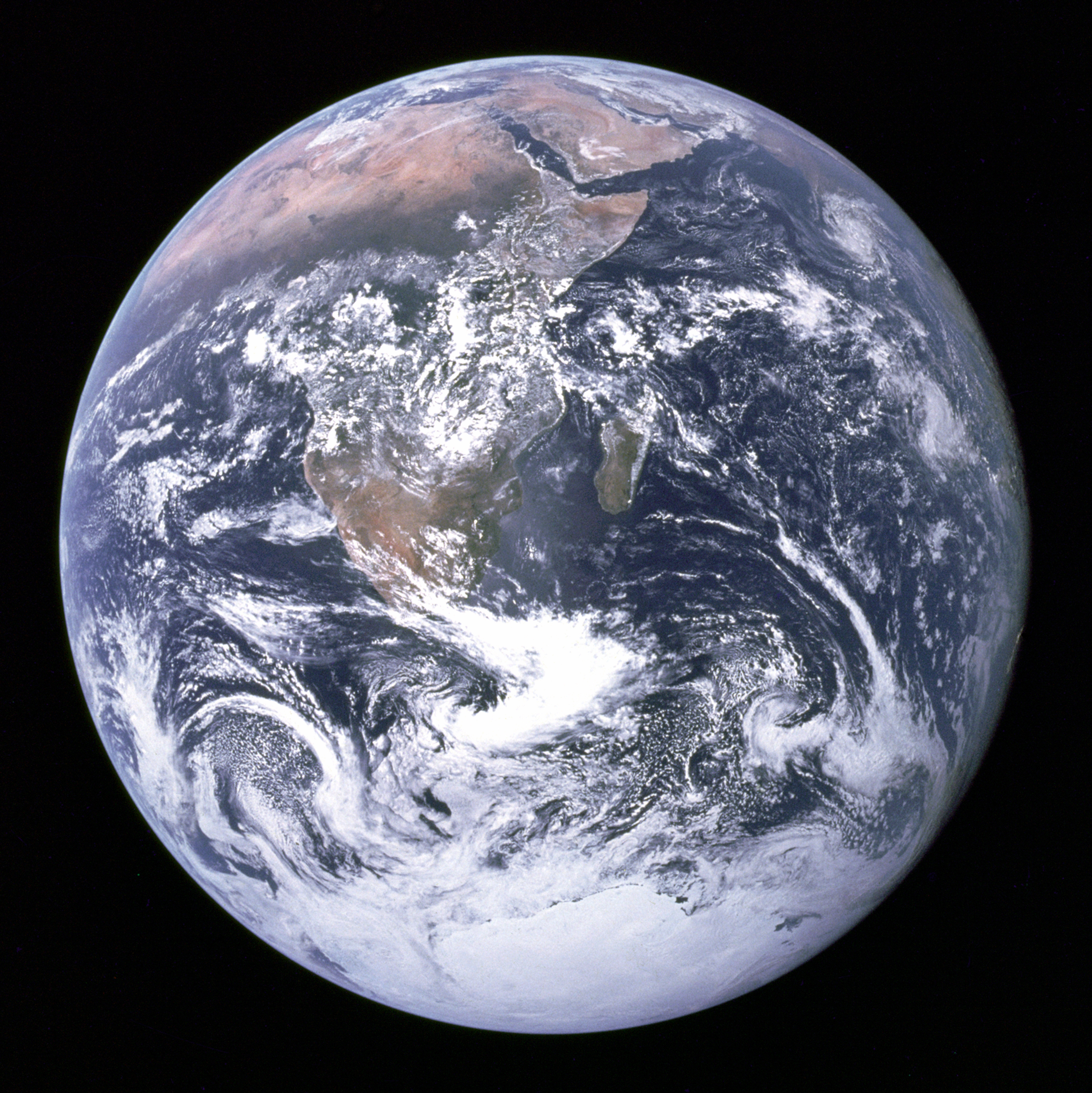
The Material Plane is the center of most cosmologies and defines what is considered normal.
The Material Plane has the following traits:
While it is possible to see into the Material Plane from the Ethereal Plane, the Ethereal Plane is usually invisible to those on the Material Plane. Normally, creatures on the Ethereal Plane cannot attack creatures on the Material Plane, and vice versa. A traveler on the Ethereal Plane is invisible, incorporeal, and utterly silent to someone on the Material Plane.
The Ethereal Plane is mostly empty of structures and impediments. However, the plane has its own inhabitants. Some of these are other ethereal travelers, but the ghosts found here pose a particular peril to those who walk the fog.
It has the following traits.
The Plane of Shadow is also coterminous to other planes. With the right spell, a character can use the Plane of Shadow to visit other realities.
The Plane of Shadow is a world of black and white; color itself has been bleached from the environment. It is otherwise appears similar to the Material Plane.
Despite the lack of light sources, various plants, animals, and humanoids call the Plane of Shadow home.
The Plane of Shadow is magically morphic, and parts continually flow onto other planes. As a result, creating a precise map of the plane is next to impossible, despite the presence of landmarks.
The Plane of Shadow has the following traits.
THE SPIRIT WORLD
The spirit world is a realm that replaces the Astral Plane. It's typically a realm where everything is brought into sharp focus. There are more and brighter colors on the Spirit World, and every sense is much more keenly aware. Some of the spirits there say that the Material World is a corruption of what is in the Spirit World.
There are Spirits for everything in the Spirit World. From Mount Zerin to the flowing Sardis River and the Sardis Falls. From the smallest flower to the mightiest hurricane. The Spirit World is a transitive plane -- it is both co-existent with and coterminous to the Material Plane, matching its terrain exactly.
Spirit World Traits:
The Universe that the world resides in is ours. The planet that Phoenicia is on is in a Universe of Real Physics: Plasma Physics. The world that Phoenicia is on is a universe of magnetic fields, electric currents, plasma, and connectedness. The Garden world that Phoenicia is on is in a geocentric Solar System. There are seven observable planets: one of them is a burned out Brown Dwarf star -- a gas giant.
THE PLANES
Since the 3rd Edition, 4th Edition, and Pathfinder are all encouraging creativity in the planes, I thought it might be best to set up the planar landscape. The planes include: The Material Plane, the Spirit World, the Etherial Plane, the Plane of Shadow, and a myriad of Outer Planes and Demi-planes (check with your Gamemaster for outer planes).
The Material Plane
 |
| By NASA. Photo taken by either Harrison Schmitt or Ron Evans (of the Apollo 17 crew).[see page for license], via Wikimedia Commons |
The Material Plane has the following traits:
- Normal gravity.
- Normal Time
- Alterable morphic.
- No Elemental or Energy Traits (specific locations may have these traits, however)
- Mildly neutral-aligned.
- Normal magic.
The Ethereal Plane
The Ethereal Plane is coexistent with the Material Plane and often other planes as well. The Material Plane itself is visible from the Ethereal Plane, but it appears muted and indistinct, its colors blurring into each other and its edges turning fuzzy.While it is possible to see into the Material Plane from the Ethereal Plane, the Ethereal Plane is usually invisible to those on the Material Plane. Normally, creatures on the Ethereal Plane cannot attack creatures on the Material Plane, and vice versa. A traveler on the Ethereal Plane is invisible, incorporeal, and utterly silent to someone on the Material Plane.
The Ethereal Plane is mostly empty of structures and impediments. However, the plane has its own inhabitants. Some of these are other ethereal travelers, but the ghosts found here pose a particular peril to those who walk the fog.
It has the following traits.
- No gravity.
- Alterable morphic. The plane contains little to alter, however.
- Mildly neutral-aligned.
- Normal magic. Spells function normally on the Ethereal Plane, though they do not cross into the Material Plane.
Plane Of Shadow
The Plane of Shadow is a dimly lit dimension that is both coterminous to and coexistent with the Material Plane. It overlaps the Material Plane much as the Ethereal Plane does, so a planar traveler can use the Plane of Shadow to cover great distances quickly.The Plane of Shadow is also coterminous to other planes. With the right spell, a character can use the Plane of Shadow to visit other realities.
The Plane of Shadow is a world of black and white; color itself has been bleached from the environment. It is otherwise appears similar to the Material Plane.
Despite the lack of light sources, various plants, animals, and humanoids call the Plane of Shadow home.
The Plane of Shadow is magically morphic, and parts continually flow onto other planes. As a result, creating a precise map of the plane is next to impossible, despite the presence of landmarks.
The Plane of Shadow has the following traits.
- Magically morphic. Certain spells modify the base material of the Plane of Shadow. The utility and power of these spells within the Plane of Shadow make them particularly useful for explorers and natives alike.
- Mildly neutral-aligned.
- Enhanced magic. Spells with the shadow descriptor are enhanced on the Plane of Shadow. Such spells are cast as though they were prepared with the Maximize Spell feat, though they don’t require the higher spell slots.
Furthermore, specific spells become more powerful on the Plane of Shadow. Shadow conjuration and shadow evocation spells are 30% as powerful as the conjurations and evocations they mimic (as opposed to 20%). Greater shadow conjuration and greater shadow evocation are 70% as powerful (not 60%), and a shades spell conjures at 90% of the power of the original (not 80%).
- Impeded magic. Spells that use or generate light or fire may fizzle when cast on the Plane of Shadow. A spellcaster attempting a spell with the light or fire descriptor must succeed on a Spellcraft check (DC 20 + the level of the spell). Spells that produce light are less effective in general, because all light sources have their ranges halved on the Plane of Shadow.
THE SPIRIT WORLD
The spirit world is a realm that replaces the Astral Plane. It's typically a realm where everything is brought into sharp focus. There are more and brighter colors on the Spirit World, and every sense is much more keenly aware. Some of the spirits there say that the Material World is a corruption of what is in the Spirit World.
There are Spirits for everything in the Spirit World. From Mount Zerin to the flowing Sardis River and the Sardis Falls. From the smallest flower to the mightiest hurricane. The Spirit World is a transitive plane -- it is both co-existent with and coterminous to the Material Plane, matching its terrain exactly.
Spirit World Traits:
- Normal Gravity.
- Timeless.
- Infinite Size.
- Alterable Morphic.
- No Elemental or Energy Traits.
- Mildly Neutral Aligned.
- Enhanced Magic.
Saturday, May 7, 2011
Special Materials in Phoenicia
There are a number of special materials that showed up in Phoenicia, besides Mithril, Adamantine, Darkwood and all the rest; there are a couple of special materials that are found in Phoenicia and the vicinity.
Ferroplasm

Ferroplasm
Mined from secret locations in the Astral Plane, this malleable metal holds its shape only in the hands of a psionic being. When an item forged with ferroplasm is unattended or held by a nonpsionic creature, it melts and temporarily loses all special powers. But when wielded by a psionic creature, such an item immediately springs back into its true shape and regains all abilities. In its proper form, a ferroplasm item glows with a violet light (illuminating a 10-foot-radius), unless the item’s owner mentally quenches it. In an area where psionic powers do not function, it collapses as if in the hands of a nonpsionic creature.
Ferroplasm adds to the quality of a weapon or suit of armor based on how much of the material is used. Weapons fashioned from ferroplasm have a natural enhancement bonus to attack and damage. Armor fashioned from ferroplasm has a natural enhancement bonus to AC. These bonuses do not stack with other enhancement bonuses. Weapons or armor fashioned from ferroplasm are treated as masterwork items with regard to creation times, but the masterwork quality does not affect the enhancement bonus of weapons or the armor check penalty of armor.
Ferroplasm has hardness 20 and 40 hit points per inch of thickness when in its true form, and a hardness of 5 and 10 hit points per inch of thickness when soft.
Glyss
The the method of crafting glyss came with a traveler. The glass is made by infusing the liquid glass with copper vapors. The result is a glass that is a brittle translucent material. In the hands of a warrior without psionic talent the material would shatter. However, in the hands of a person with psionic talent, the material becomes hard as jade. Though simple to craft, the majority of the stuff is found in Phoenicia and it's sister cities -- Syracuse and Sybaris. Glyss glaziers can make a tidy profit from creating this material for psionic weapon and armorsmiths to work into suitable equipment.
How Glyss works is that it provides additional deflection bonuses when worn by a person with psionic talent. By gaining and maintaining his psychic focus he gains a +2 deflection bonus to AC. However, glyss armor and shields interfere with each other if worn by the same person. Glyss crafted into bladed weapons have half the weight. A person with psionic talents when maintaining his psionic focus gains a bonus with his Glyss weapon equaling a +1 bonus.
Weapons or armor crafted from glyss are treated with masterwork items with regard to creation times, but the quality of the masterwork does not provide an enhancement bonus.

Crafting Glyss
To create enough glyss for a suit of armor, a shield, or a weapon does require raw materials (sand, certain chemicals, and raw copper) equal to the value to one third the market price modifier for the item to be made.
Creating the glyss requires one day per 1,000 gp of the final market price modifier as detailed in the table above, and a successful craft: Alchemy check (DC 20). If the check is successful, then the alchemist or glazier has made the necessary amount of glyss.
---------------------------
OGL Section 15:
The Quintessential Warrior. copyright 2002 Mongoose Publishing. Author Sam Witt.
---------------------------
OGL Section 15:
The Quintessential Warrior. copyright 2002 Mongoose Publishing. Author Sam Witt.
Friday, May 6, 2011
History of Phoenicia
(Note, Phoenicia is designed to be dropped into your campaign, so you can change this history around to make it fit.)
PALEOLITHIC AND MESOLITHIC AGE
 The Place that Phoenicia stood upon used to be the site of a paleolithic settlement. During the Golden Age, there was no escarpment, no cataract falls. The humans who lived here could find everything they wanted to eat. There was no want, and there was no cares. The bands of humans that roamed the planet were like the African Bushmen. And the planet was covered with a Canopy of clouds. There was light all the time and there was few dangers.
The Artists of the Mesolithic Age were realists. They painted the herds they followed and the plants they foraged. Garments, if any, were of simple rough design. Then, one day, everything changed.
THE NEOLITHIC AGE
Something happened that caused the clouds to part and the canopy to show. The Atmosphere was made totally transparent and the Eye of God showed in the north. The people were mystified, astounded that they could see. A sun, and a motionless lesser light -- the Eye of God. Every once in a while, people could hear the name of the Creator rumble across the skies.
 The artists started to change their style. As the Eye of God progressed, they started to draw a star like shape as they progressed from Realism to Symbolism. The artists looked up and drew what they saw. When the Eye of God progressed to a Wheel with six or eight spokes, the artists drew a great Wheel. Fledgling engineers took this and created the first wheels based on artists' drawings. The wheel was invented.
It was about this time that the Atlanteans and the Lemurians came through several transdimensional gates and conquered the Neolithic peoples of Terre. The Atlanteans came fleeing disaster of their own. They conquered, and on the site of Phoenicia built a pyramid of black glass. The Lemurians and Atlanteans introduced psionics and psionics had become the dominate way of power. Pyramids around the world became psychic resonators providing power to many cities of Atlantean and Lemurian design.
THE DELUGE AND ICE AGE
Soon, endless wars broke out and there was great violence on the face of the Earth. Water rained down on the Earth from the God Star and covered the whole planet. The Lemurians and Atlanteans fled into the inner world, to escape the Deluge. No one else could. While only a small percentage escaped by hiding in the hollow world, the deluge wiped out everyone else.
Mankind did survive and recolonized the land, but some of the pyramids were malfunctioning and most were dead. The malfunctioning pyramids opened up gates to other worlds and let the races of the Elves, Dwarves, Halflings, and many others through. With so much competition for resources, the humans faced the deserts. When the water drained, Mankind built a new life for themselves through the short ice age. The skies, however, was forever --- CHANGED! The God Star broke up into three different planets, and faded into the distance.
EARLY BRONZE AGE
The Founding of Phoenicia
Phoenix, and his brothers Sardis, Timath, and Thoraz brought their families here to settle. The Escarpment appeared during the draining of the land, and a river fell through the escarpment some 500 feet in several places, creating a cataract. Phoenix led his brothers here because he was having dreams of this place. A place to found a city.
Phoenix and his brothers built a collection of huts below and north of the cataract. However, his brother Sardis died of drowning in the river six months after they settled so they named the river after him -- the River Sardis. The settlement became known as Phoenicia.
The Phoenicians traded with the Wildstone Dwarves and learned how to make swords and other items from stone molds. They built a small nation composed of five other cities. They traded with the kingdom of Khemet, and was on the first Silk Road. The Phoenicians became prosperous and built a mighty city. However, the Desert Elves came and destroyed much of the city. They built a Second city (Phoenicia II), but had to abandon the site after two hundred years since a mighty flood of the Sardis river.
MIDDLE AND LATE BRONZE AGE
A new wave of humans came and built a third city on the ruins of the first and the second, Phoenicia III. Phoenicia III was when the area above the Escarpment was first settled. Phoenicia III lasted until the End of the Bronze Age.
At the end of the Late Bronze Age, the Vedans came. Displaced from their own kingdom by invaders, these thousands of "refugees" came and sacked the city. The entire city was burned and much of the city collapsed. Then the Bronze Age ended with great catastrophes. One day, the sun was motionless in the sky. The effect was great changes around the world.
THE IRON AGE TO NOW
The Vedans occupied the Southern Upper quadrant of the city and rebuilt the city, creating Pheonicia IV. The entire city faced a renaissance of psionics. Although wizardry was being built through the world, the Vedans felt that they had to come here to practice their psionic disciplines. Psionic technology was slow coming. However, the Kshatriya King wanted to rule forever. He developed the process of becoming a psionic lich and perfected it. He was the first psionic lich, and he ruled for 500 years before being forcibly deposed and buried undead in his own crypt. The king's name was Damodara. However, during his reign, the first undead stirred in the Necropolis. Although stories of Vampires were already circulating, the dead became restless during those five hundred years, and when Damodara was buried, the dead relatively quieted down.
It was then that descendants of the original Phoenicians came and conquered the city, turning it into a Persian like city. While the Vedans were allowed to keep their cultural identities, many of the invaders came and repopulated the city. They built a new Phoenicia and maintained the beautiful city for four hundred years, when the Hellenes came.
THE INVASION OF THE HELLENES
Because the empire to the east was crumbling, the Hellenes came and invaded. The phalanx rows came to fight against the armies of the Empire, and the group managed to conquer Phoenicia. Several parts of the city were razed and many of the people were dispersed. The Hellenes returned and rebuilt the city.
Phoenicia V was built over the previous cities. Phoenicia became part of the Hellenic Empire. And since the Hellenes didn't advance further east, the Silk Road and Spice Road became established here. The Vedans retained their identity and built temples to their gods, and the Persians built temples to their one God. The Hellenes built temples to their gods, and the city flourished.
Or the city didn't really have time to flourish, until now. Ten years ago, treasure seekers delved into the undercity and the dungeons below the city -- composed of five, maybe six, different cities in Ages past. When they returned with treasures untold, it started something that could lead to a true flowering of this city.
PALEOLITHIC AND MESOLITHIC AGE

The Artists of the Mesolithic Age were realists. They painted the herds they followed and the plants they foraged. Garments, if any, were of simple rough design. Then, one day, everything changed.
THE NEOLITHIC AGE
Something happened that caused the clouds to part and the canopy to show. The Atmosphere was made totally transparent and the Eye of God showed in the north. The people were mystified, astounded that they could see. A sun, and a motionless lesser light -- the Eye of God. Every once in a while, people could hear the name of the Creator rumble across the skies.

It was about this time that the Atlanteans and the Lemurians came through several transdimensional gates and conquered the Neolithic peoples of Terre. The Atlanteans came fleeing disaster of their own. They conquered, and on the site of Phoenicia built a pyramid of black glass. The Lemurians and Atlanteans introduced psionics and psionics had become the dominate way of power. Pyramids around the world became psychic resonators providing power to many cities of Atlantean and Lemurian design.
THE DELUGE AND ICE AGE
Soon, endless wars broke out and there was great violence on the face of the Earth. Water rained down on the Earth from the God Star and covered the whole planet. The Lemurians and Atlanteans fled into the inner world, to escape the Deluge. No one else could. While only a small percentage escaped by hiding in the hollow world, the deluge wiped out everyone else.
Mankind did survive and recolonized the land, but some of the pyramids were malfunctioning and most were dead. The malfunctioning pyramids opened up gates to other worlds and let the races of the Elves, Dwarves, Halflings, and many others through. With so much competition for resources, the humans faced the deserts. When the water drained, Mankind built a new life for themselves through the short ice age. The skies, however, was forever --- CHANGED! The God Star broke up into three different planets, and faded into the distance.
EARLY BRONZE AGE
The Founding of Phoenicia
Phoenix, and his brothers Sardis, Timath, and Thoraz brought their families here to settle. The Escarpment appeared during the draining of the land, and a river fell through the escarpment some 500 feet in several places, creating a cataract. Phoenix led his brothers here because he was having dreams of this place. A place to found a city.
Phoenix and his brothers built a collection of huts below and north of the cataract. However, his brother Sardis died of drowning in the river six months after they settled so they named the river after him -- the River Sardis. The settlement became known as Phoenicia.
The Phoenicians traded with the Wildstone Dwarves and learned how to make swords and other items from stone molds. They built a small nation composed of five other cities. They traded with the kingdom of Khemet, and was on the first Silk Road. The Phoenicians became prosperous and built a mighty city. However, the Desert Elves came and destroyed much of the city. They built a Second city (Phoenicia II), but had to abandon the site after two hundred years since a mighty flood of the Sardis river.
MIDDLE AND LATE BRONZE AGE
A new wave of humans came and built a third city on the ruins of the first and the second, Phoenicia III. Phoenicia III was when the area above the Escarpment was first settled. Phoenicia III lasted until the End of the Bronze Age.
At the end of the Late Bronze Age, the Vedans came. Displaced from their own kingdom by invaders, these thousands of "refugees" came and sacked the city. The entire city was burned and much of the city collapsed. Then the Bronze Age ended with great catastrophes. One day, the sun was motionless in the sky. The effect was great changes around the world.
THE IRON AGE TO NOW
The Vedans occupied the Southern Upper quadrant of the city and rebuilt the city, creating Pheonicia IV. The entire city faced a renaissance of psionics. Although wizardry was being built through the world, the Vedans felt that they had to come here to practice their psionic disciplines. Psionic technology was slow coming. However, the Kshatriya King wanted to rule forever. He developed the process of becoming a psionic lich and perfected it. He was the first psionic lich, and he ruled for 500 years before being forcibly deposed and buried undead in his own crypt. The king's name was Damodara. However, during his reign, the first undead stirred in the Necropolis. Although stories of Vampires were already circulating, the dead became restless during those five hundred years, and when Damodara was buried, the dead relatively quieted down.
It was then that descendants of the original Phoenicians came and conquered the city, turning it into a Persian like city. While the Vedans were allowed to keep their cultural identities, many of the invaders came and repopulated the city. They built a new Phoenicia and maintained the beautiful city for four hundred years, when the Hellenes came.
THE INVASION OF THE HELLENES
Because the empire to the east was crumbling, the Hellenes came and invaded. The phalanx rows came to fight against the armies of the Empire, and the group managed to conquer Phoenicia. Several parts of the city were razed and many of the people were dispersed. The Hellenes returned and rebuilt the city.
Phoenicia V was built over the previous cities. Phoenicia became part of the Hellenic Empire. And since the Hellenes didn't advance further east, the Silk Road and Spice Road became established here. The Vedans retained their identity and built temples to their gods, and the Persians built temples to their one God. The Hellenes built temples to their gods, and the city flourished.
Or the city didn't really have time to flourish, until now. Ten years ago, treasure seekers delved into the undercity and the dungeons below the city -- composed of five, maybe six, different cities in Ages past. When they returned with treasures untold, it started something that could lead to a true flowering of this city.
Phoenica's Races
There are several races in Phoenicia's city limits. All of them could be used for creating your characters. Unless otherwise mentioned, you use the Core Rules for all character creation details. Yes, your DM is the final arbiter of what is and is not allowed in your game.
COMMON RACES
Dwarves
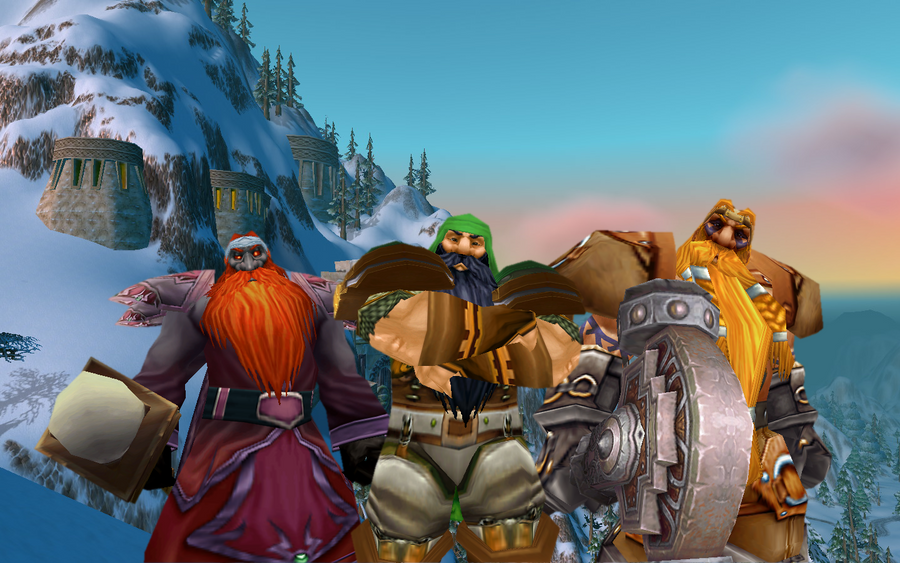
Although most people call them "dwarves" their own name for their own race is zwerc. There are three dwarven clans known to the people of Phoenicia. The Bright and genuine Ironhammer clan, the shamanistic Wildstone clan, and the ashenskinned firey bearded Vulcan Clan.
Clan Ironhammer
The Ironhammer Clan is the clan that is the most used to living in city life. Although they transformed the Mountain of Arat into their colony, part of the Ironhammer clan have moved North and West to mine the great mountains (its been 200 years, so it's supposed that there are new clans descended from the Ironhammer Clan). It was the Ironhammer Clan that first worked with ore and made Iron. They gave the gift of Ironmaking to three human tribes who eventually solved the Riddle of Steel. It was these three tribes that gave birth to the Iron Age. Ironhammers are white and fair, with blond to light brown hair. It is fashionable for Ironhammer men to be fullbearded, and Ironhammer women to shave their stubble and be beardless. Use the standard rules for creating an Ironhammer Dwarf.
Clan Wildstone
Wildstone Dwarves exist in the Valley of the Tiger River. One of the tributaries of the River Sardis. The Wildstone Dwarves worship the Spirits of the Valley and are in particular bonded with the tiger spirits (while the orcs' supreme animal spirit is the wolf). It is said that their gift to mankind was the making of bronze out of copper. The truth of the matter is that the Wildstone Dwarves perfected the art of making beautiful bronze swords using a stone mold, and they taught this technology to humans. They are less stout than Ironhammer dwarves, and they have a swarthy complexion. The men are clean shaven but they sport sideburns. Their hair ranges from Auburn to black hair.
Clan Vulcan
The Vulcan Clan comes from Vulcan Island, where it is rumored that they serve the God Hephaestus. In truth, they are more likely cursed by some god because of their ashen skin and firey beards. Also called "deurgar" the Vulcan Clan have natural psionic talent. The gift these dwarves bring to the people of Phoenicia is the working of the very rare metal known as ferroplasm. Use Deurgar in Psionics Unleashed to create a Vulcan Dwarf.
Elves
There are three elves in Phoenicia. All of them descended from trans-dimensional travelers and belonged to five different tribes then. The tribes since became civilized. Most elves look the same, the High Elves are descended from the Tribe of Pelasgus, while another group of elves, called the Masallian Elves, are descended from the Tribe of Javan or the Fair Elves. The two tribes of elves don't regard each other very well. This because of the Pelasgiri Elves invaded the lands of the Fair Elves and utterly destroyed and enslaved most of the people. The Pelasgiri Elves became the High Elves, and are distinguished by their long flowing hair, pointed ears, and noble features. Use the standard "Elf" in Pathfinder for creating a High Elf. Their are two more elven races: the Desert Elves and the Massalian Elves.
Gnomes
The Gnomes are frequently mistaken for halflings (or the other way around). They are pretty rare, being an island people scattered among the islands of the Great Sea. Gnomes have the reputation of gypsies, and they favor song, epic storytelling, and magic over most anything else. The Gnomes of the island of Cyprus, however, favor building machines. Use the standard "Gnome" in Pathfinder for creating a gnome.
Half-Elves and Half-Orcs
Half-elves and Half-orcs are rare, these races are so more common in Phoenicia than in many other places. Half-elves may have High, Massalian, or Desert Elf parents and a human parent; while Half-Orcs may come from elven and orcish stock, or human and orcish stock. The latter is very rare.
Halflings
Halflings were originally associated with the lands of the fairies. However, due to their stature and willingness to live in Human lands, they were eventually called "halflings" due to their stature. The name stuck with them. They are small, fair, and nimble; but their childish size does not usually carry a childish manner. Nomadic halflings use ponies to pull their carts, while settled halflings build burrows or houses. Use the standard "Halfling" in Pathfinder to create halfling characters.
Humans
According to Elven myths, the Elven Gods, the Halfling Gods, the Creator, and the Dwarven Gods divided the World amongst themselves. The Dwarves claimed the mountains and their rich ore deposits; the Halflings claimed the verdant valleys between those mountains, and the Elves claimed the verdant forests. This left the deserts for humans. This turned out well, since human civilization arose in the desert where humans were forced to work together. As a result the humans spread throughout the world. They are the most prevalent of the races of the world.
MINOR RACES
Elans
Elans are humans transformed by psionic ritual that is somewhat similar to the same ritual that creates a Psionic Lich. However elans are created by a secret society that isn't spread out over the whole world. The transformation gives them partial immortality -- eternal youth and death only by violence. The trade off is memories of a profession and any skills, although life memories persist. The current elan council is favoring humans with Auburn hair; but transformations happen very rarely. Use the rules from Psionics Unleashed to create elans for a Pathfinder game.
Elves, Desert
Desert Elves are descended from the third Elvish Tribe. They live in the arid and semi-arid areas of this region of the world, and are living a pastoral existence herding sheep, goats, and cattle. They are typically have bronze skin, dark hair, and blue eyes.
Elves, Massalian
One word, this race is driven by hate and revenge against High Elves for conquering their ancestral lands. But their race was nearly wiped out by northern forest trolls, which race has also earned their hatred. As a result, they rebuilt their society relying on Fiendish magic. While not strictly evil, a Massalian Elf tend to use Fiendish magic to fight fiends. They look like High Elves except for their eyes, which blaze with fiendish energy. Stats are below.
Maenads: Once they were human, however an ancient accident has caused crystals to be embedded into their skin. What is worse, the accident has caused them to be more emotional than usual. Through the generations, the Maenads have bred true; and so have their traits. Phoenicia is one of the few cities where they are welcomed and tolerated. Use the rules in Psionics Unleashed for creating Maenad characters for Pathfinder.
Half-Giants: The breeding of humans with giants produced half-giants. Born with buff musculature, half-giants were gladiator slaves of the Sorcerer Kings in desert kingdoms. Many have escaped and formed small tribes or bands wandering the area. Use the rules in Psionics Unleashed for creating Half-Giants.
NPC RACES
Aasimar: These are graced with the blood of celestial beings. These individuals are graced with angelic beings in their Family Tree.
Elves, Dark: The dark elves, or drow, are part of the fifth tribe of elves to come into the world. One must delve deep into history to understand what had happened, but most drow are deep in the Earth. Sadistic and cruel, they revere dark and evil gods who urged them to conquest and dominance.
Orcs: The orcs of this world is described in great detail on this blog, and so forth. Sufficeth to say that they are a race of barbarians. Orcs worship their ancestors instead the Fiends that they once did. They are also strongly shamanistic and feel a strong kinship with the wolf spirit. Orcs are mostly found in the Hordelands, but certain tribes have come out of the south and have run afoul of the humans here.
Tieflings: These individuals have Fiendish blood -- the blood of demons or devils -- flowing through their veins. Thus somewhere in their ancestry they have a fiendish ancestor. They are a rare but significant force in Phoenicia.
The Unwanted: The city is also home to goblins, ratmen (Slitherin or Skavin) and other unwanted elements. Most people call these things an infestation than anything else and want to drive them out. These unwanted beings contribute nothing to the city's civilization, but they prey on its populace, stealing and robbing what they need.
COMMON RACES
Dwarves
Although most people call them "dwarves" their own name for their own race is zwerc. There are three dwarven clans known to the people of Phoenicia. The Bright and genuine Ironhammer clan, the shamanistic Wildstone clan, and the ashenskinned firey bearded Vulcan Clan.
 |
| Dwarves (copyright Blizzard Entertainment) |
The Ironhammer Clan is the clan that is the most used to living in city life. Although they transformed the Mountain of Arat into their colony, part of the Ironhammer clan have moved North and West to mine the great mountains (its been 200 years, so it's supposed that there are new clans descended from the Ironhammer Clan). It was the Ironhammer Clan that first worked with ore and made Iron. They gave the gift of Ironmaking to three human tribes who eventually solved the Riddle of Steel. It was these three tribes that gave birth to the Iron Age. Ironhammers are white and fair, with blond to light brown hair. It is fashionable for Ironhammer men to be fullbearded, and Ironhammer women to shave their stubble and be beardless. Use the standard rules for creating an Ironhammer Dwarf.
Clan Wildstone
Wildstone Dwarves exist in the Valley of the Tiger River. One of the tributaries of the River Sardis. The Wildstone Dwarves worship the Spirits of the Valley and are in particular bonded with the tiger spirits (while the orcs' supreme animal spirit is the wolf). It is said that their gift to mankind was the making of bronze out of copper. The truth of the matter is that the Wildstone Dwarves perfected the art of making beautiful bronze swords using a stone mold, and they taught this technology to humans. They are less stout than Ironhammer dwarves, and they have a swarthy complexion. The men are clean shaven but they sport sideburns. Their hair ranges from Auburn to black hair.
Clan Vulcan
The Vulcan Clan comes from Vulcan Island, where it is rumored that they serve the God Hephaestus. In truth, they are more likely cursed by some god because of their ashen skin and firey beards. Also called "deurgar" the Vulcan Clan have natural psionic talent. The gift these dwarves bring to the people of Phoenicia is the working of the very rare metal known as ferroplasm. Use Deurgar in Psionics Unleashed to create a Vulcan Dwarf.
Elves
 |
| High Elf |
Gnomes
The Gnomes are frequently mistaken for halflings (or the other way around). They are pretty rare, being an island people scattered among the islands of the Great Sea. Gnomes have the reputation of gypsies, and they favor song, epic storytelling, and magic over most anything else. The Gnomes of the island of Cyprus, however, favor building machines. Use the standard "Gnome" in Pathfinder for creating a gnome.
Half-Elves and Half-Orcs
Half-elves and Half-orcs are rare, these races are so more common in Phoenicia than in many other places. Half-elves may have High, Massalian, or Desert Elf parents and a human parent; while Half-Orcs may come from elven and orcish stock, or human and orcish stock. The latter is very rare.
Halflings
Halflings were originally associated with the lands of the fairies. However, due to their stature and willingness to live in Human lands, they were eventually called "halflings" due to their stature. The name stuck with them. They are small, fair, and nimble; but their childish size does not usually carry a childish manner. Nomadic halflings use ponies to pull their carts, while settled halflings build burrows or houses. Use the standard "Halfling" in Pathfinder to create halfling characters.
 |
| Human |
According to Elven myths, the Elven Gods, the Halfling Gods, the Creator, and the Dwarven Gods divided the World amongst themselves. The Dwarves claimed the mountains and their rich ore deposits; the Halflings claimed the verdant valleys between those mountains, and the Elves claimed the verdant forests. This left the deserts for humans. This turned out well, since human civilization arose in the desert where humans were forced to work together. As a result the humans spread throughout the world. They are the most prevalent of the races of the world.
MINOR RACES
Elans
Elans are humans transformed by psionic ritual that is somewhat similar to the same ritual that creates a Psionic Lich. However elans are created by a secret society that isn't spread out over the whole world. The transformation gives them partial immortality -- eternal youth and death only by violence. The trade off is memories of a profession and any skills, although life memories persist. The current elan council is favoring humans with Auburn hair; but transformations happen very rarely. Use the rules from Psionics Unleashed to create elans for a Pathfinder game.
Elves, Desert
 | |
| Desert Elf |
Elves, Massalian
One word, this race is driven by hate and revenge against High Elves for conquering their ancestral lands. But their race was nearly wiped out by northern forest trolls, which race has also earned their hatred. As a result, they rebuilt their society relying on Fiendish magic. While not strictly evil, a Massalian Elf tend to use Fiendish magic to fight fiends. They look like High Elves except for their eyes, which blaze with fiendish energy. Stats are below.
Maenads: Once they were human, however an ancient accident has caused crystals to be embedded into their skin. What is worse, the accident has caused them to be more emotional than usual. Through the generations, the Maenads have bred true; and so have their traits. Phoenicia is one of the few cities where they are welcomed and tolerated. Use the rules in Psionics Unleashed for creating Maenad characters for Pathfinder.
Half-Giants: The breeding of humans with giants produced half-giants. Born with buff musculature, half-giants were gladiator slaves of the Sorcerer Kings in desert kingdoms. Many have escaped and formed small tribes or bands wandering the area. Use the rules in Psionics Unleashed for creating Half-Giants.
NPC RACES
Aasimar: These are graced with the blood of celestial beings. These individuals are graced with angelic beings in their Family Tree.
Elves, Dark: The dark elves, or drow, are part of the fifth tribe of elves to come into the world. One must delve deep into history to understand what had happened, but most drow are deep in the Earth. Sadistic and cruel, they revere dark and evil gods who urged them to conquest and dominance.
 |
| Orc |
Tieflings: These individuals have Fiendish blood -- the blood of demons or devils -- flowing through their veins. Thus somewhere in their ancestry they have a fiendish ancestor. They are a rare but significant force in Phoenicia.
The Unwanted: The city is also home to goblins, ratmen (Slitherin or Skavin) and other unwanted elements. Most people call these things an infestation than anything else and want to drive them out. These unwanted beings contribute nothing to the city's civilization, but they prey on its populace, stealing and robbing what they need.
Subscribe to:
Posts (Atom)
